



Author: Keerthana
Office Halloween Party Food Ideas: Easy Catering for Teams
Office Halloween Party Food Ideas: Easy Catering for Teams
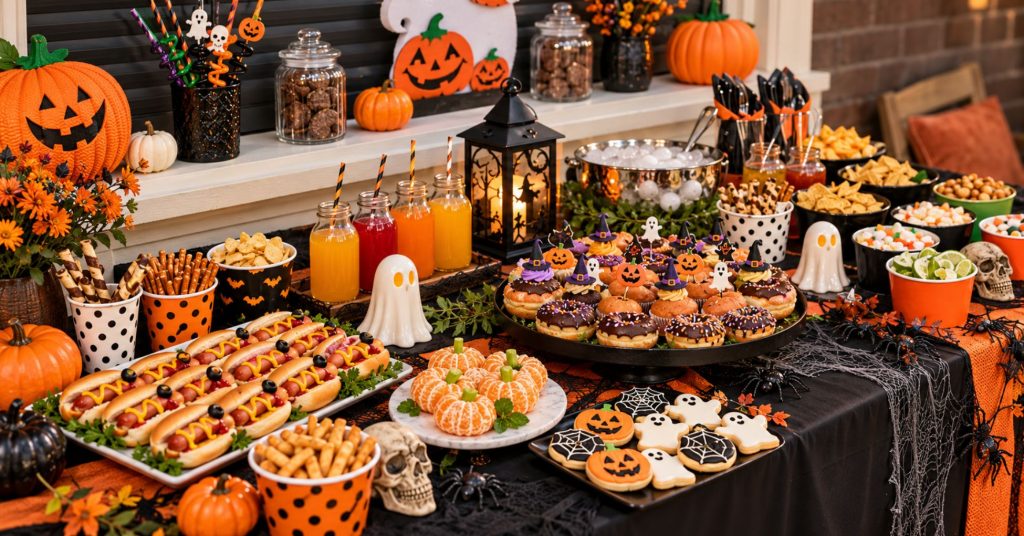
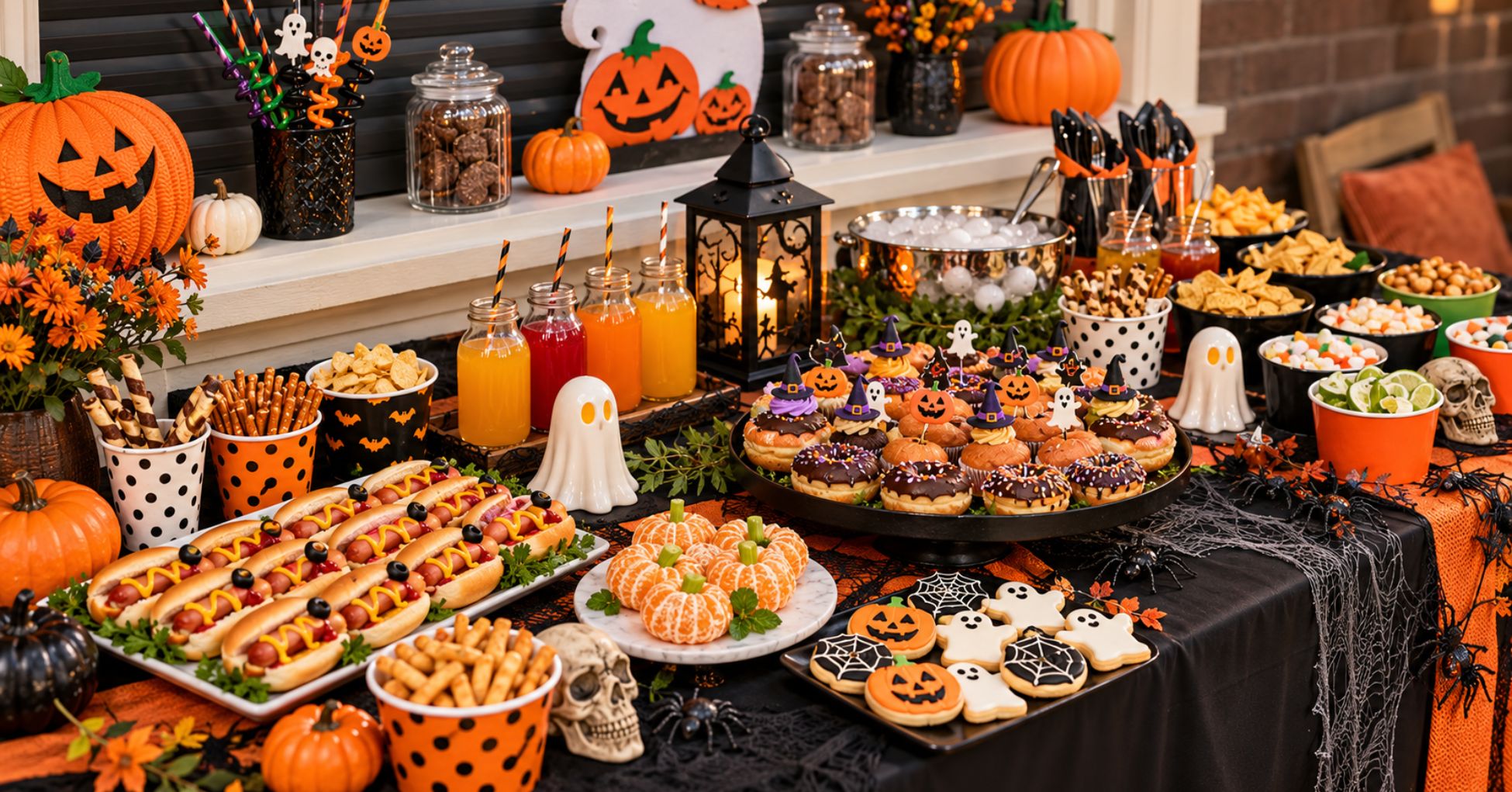
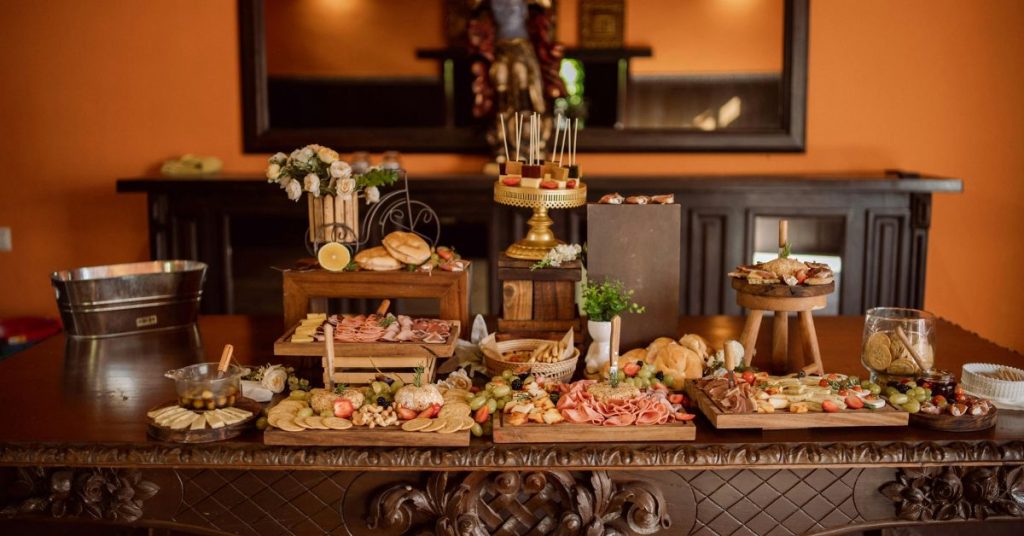
Illustration for inspiration only. For Avondale’s actual menu and options, get in touch with us.
Food planning for a workplace Halloween party looks simple until the details arrive. Headcount, timing and dietary needs all shape what you can serve, and the party might be a lunch, an afternoon snack break or a full team celebration.
This guide shares office Halloween party food ideas that suit a workplace setting, along with a practical way to build the menu around your team. It also explains when professional catering is worth considering and what to ask before you book. A checklist at the end pulls the planning steps together. If you would rather hand the food to someone else, Avondale Foodworks caters office parties across Mississauga and the GTA, from a team lunch to 5,000 guests, and last-minute Halloween orders are welcome.
Plan the Food for Your Office Halloween Party
Start with four decisions. Each one narrows the menu quickly.
- Format: A lunchtime party needs a proper meal. An afternoon break can run on snacks and desserts.
- Headcount: Use confirmed RSVPs where possible, and allow for people who drop in between meetings.
- Dietary needs: Ask early. Halal, vegan and gluten-free requests are common in many workplaces, and they affect almost every menu choice.
- Setup: Check where the food will sit, whether there is a fridge or kitchen nearby, and how people will move through the space.
A clear picture of these four points makes every later choice easier, from the menu to the serving plan.
Office Halloween Party Food Ideas for Your Team
Use these ideas as a starting point for your own planning. The images on this page are illustrations for inspiration. For Avondale’s actual menu and what we can prepare for your event, get in touch with us.
Halloween-Themed Snacks and Appetizers
Themed food works best when it is simple. Often the theme comes from the name and the presentation rather than from complicated cooking.
- Vegetable platter with a dip, labelled as a “graveyard” or “garden of the undead”
- Clementines or mandarins peeled and styled as mini pumpkins
- Cheese and cracker boards with orange and black accents
- Popcorn or snack mix in individual cups
- Mini sandwiches or wraps with playful name cards
- Cookies, cupcakes or brownies as a dessert table
Individually portioned items are easy to grab between meetings and reduce the need for shared utensils.
Easy-to-Serve Food for Workplace Gatherings
Food that people can eat standing up, with one hand, suits an office setting. It keeps the party moving and keeps desks and keyboards clean.
- Finger foods that need no cutlery
- Sandwich or wrap platters cut into smaller portions
- Skewers, mini sliders or bite-sized pastries
- Fruit and vegetable trays
- Pre-portioned desserts
Skip very saucy or crumbly items if people will eat at their desks. Clear labels for every dish also save you from answering the same dietary question all afternoon.
Halloween Lunch Ideas for the Office
A team lunch calls for more substance than a snack table. Build-your-own formats, such as wrap, rice bowl or salad setups, let each person assemble a plate that suits their needs. That flexibility is especially helpful when the group includes several dietary requirements.
You can add the theme through colour and naming. Orange and black ingredients, “potion” style drinks or playful dish names are enough to make a regular lunch feel like a Halloween event. Pair a main dish with a salad, a side and a dessert, and offer at least one option that does not rely on meat. For Avondale’s hot lunch options, see office lunch catering.

Illustration for inspiration only. For Avondale’s actual menu and options, get in touch with us.
How to Plan an Office Halloween Party Menu
A good party menu matches the event format first and the theme second. Dietary needs then decide which dishes make the final list.
Consider Team Size and Event Format
| Format | What typically works | Plan for |
|---|---|---|
| Snack break | Finger foods, platters, desserts | Grab-and-go access, no cutlery |
| Buffet lunch | Mains, sides, salad, dessert | Table space, serving utensils, a clear line |
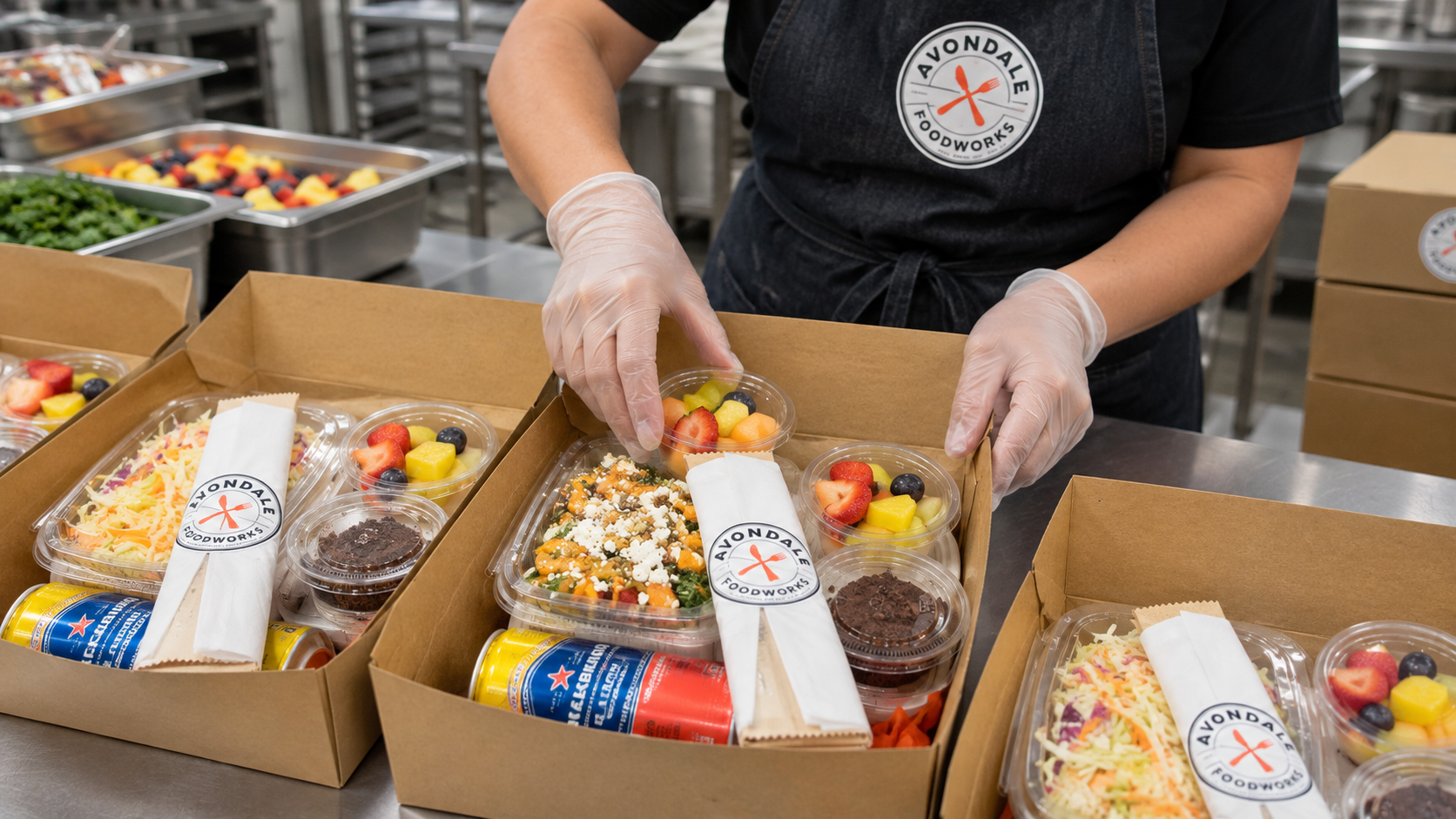
| Individually packed meals | Labelled lunch boxes | Advance meal choices from each person |
| Drop-in party | Items that hold well over time | Food that stays appetizing as people arrive in waves |
Team size matters as much as format. A small team can often share a few platters. A larger group usually needs more than one serving point so lines stay short. Ask your caterer to recommend quantities for your headcount and format rather than guessing. A caterer used to large corporate orders can plan for 50 people as easily as 500.
Accommodate Different Dietary Requirements
Dietary needs fall into two groups, and the difference matters. Preferences and religious requirements, such as Halal or vegan, shape what people choose to eat. Allergies and medical needs, such as a gluten-free diet for celiac disease, call for stricter care.
A few steps make this manageable:
- Ask for dietary requirements when you send the invitation, not on party day.
- Treat Halal, vegan and gluten-free as separate needs. A dish that meets one does not automatically meet another.
- Label every dish clearly, and keep serving utensils separate for each item.
- Tell the caterer about any allergies when you book, and ask how they handle them.
- Give people with restrictions a real choice of dishes, not just a side salad.
Avondale Foodworks covers Halal, vegan and gluten-free as standard. Those selections are packed and labelled separately, so your team can serve themselves without guessing.
When to Consider Halloween Party Catering
Doing the food yourself can work well for a small team and a simple snack table. Catering becomes useful when the headcount grows, the schedule is tight or several dietary requirements need to be covered. It also helps when nobody on the team has time to shop, prepare and set up.
Neither route is automatically better. The right choice depends on your group size, budget, timing and how much planning time you have. And if Halloween is already days away, catering is often the faster route. Avondale takes last-minute orders, so a call with your date and headcount is enough to get started.
Themed Office Catering for Corporate Events
Themed office catering can be as light or as detailed as you like. Some teams only want a regular lunch with a Halloween-style presentation. Others want a menu that looks and feels like an event.
Avondale Foodworks provides corporate catering across Mississauga and the GTA, with hot food delivered in Cambro warmers. It suits office parties, team lunches and employee appreciation events. Browse the catering menu for ideas you can theme.
Questions to Ask Before Choosing a Caterer
These questions help you compare caterers on practical details, not just price.
- Can you handle our group size, and can you take a last-minute order?
- What is included in the price, such as delivery, setup, serving equipment and disposables?
- How are hot and cold items delivered and kept at the right temperature?
- What Halal, vegan and gluten-free options are available, and how are they labelled?
- How do you handle allergy information?
- Can I adjust the headcount after booking, and by when?
- Who sets up the food, and is cleanup included?
Organize Food and Serving Arrangements
Good food can still fall flat if the setup is awkward. A little layout planning goes a long way.
- Pick the spot early. A meeting room, a kitchen area or a break space each suits a different format.
- Create more than one serving point for larger groups so lines stay short.
- Separate dietary options and label them clearly, with serving utensils for each dish.
- Time the food to the schedule. Arrange delivery shortly before the party starts, and ask the caterer how hot and cold items should be held.
- Plan for cleanup. Set out bins and recycling, and confirm who clears the space afterward.
- Check building access. Office towers often have delivery rules, so confirm loading, parking and security steps ahead of time.

Illustration for inspiration only. For Avondale’s actual menu and options, get in touch with us.
Planning an Office Halloween Party in Mississauga, Toronto and the GTA
Workplaces across the region often have different setups. Downtown offices may involve building security and limited loading access. Offices in business parks may have different parking and drop-off arrangements.
For catering for corporate events in Toronto, confirm the delivery address, the delivery window and any building rules when you book. A corporate caterer in the GTA should be able to tell you what they need from you, such as floor, contact person and access instructions.
Avondale Foodworks is based in Mississauga and delivers to offices across Mississauga, Brampton, Toronto, Etobicoke, Oakville and Vaughan.
A Halloween party can also double as an employee appreciation lunch. If your team already plans one for the fall, combining the two can save planning time and budget. And once Halloween is done, the same planning carries into the season ahead. See holiday party catering.
Office Halloween Party Food Checklist
☐ Set the date, start time and format (snack break, lunch or drop-in)
☐ Confirm the approximate headcount
☐ Collect dietary requirements, including Halal, vegan and gluten-free
☐ Ask about allergies separately and share them with the caterer
☐ Agree the budget and who approves it
☐ Choose the menu and a simple theme, such as names, colours and labels
☐ Compare caterers using the questions above
☐ Confirm the delivery address, window and building access
☐ Pick the serving spot and set up more than one station if needed
☐ Arrange plates, napkins, utensils, bins and recycling
☐ Send a reminder with the time, place and menu highlights
☐ Confirm the final headcount with the caterer
Key Takeaway
A successful office Halloween party starts with the format, the headcount and the dietary needs. Once those are clear, the menu follows naturally. Keep the theme simple, label everything and give people with dietary requirements real choices.
For larger groups or tight schedules, professional catering can take much of the work off your plate. Avondale Foodworks caters office Halloween parties across Mississauga and the GTA, from a team lunch to 5,000 guests, including last-minute orders.
Frequently Asked Questions
Finger foods work best: vegetable and dip platters, mini sandwiches or wraps, cheese and cracker boards, popcorn cups and pre-portioned desserts. Name cards and orange and black accents add the theme without extra cooking.
Match the menu to the format. A snack break needs finger foods and desserts, while a lunch needs a main, sides, a salad and a dessert. Include options for Halal, vegan and gluten-free needs, and label every dish.
Set the date, format and approximate headcount first. Then collect dietary needs, compare caterers using the questions in this guide, and confirm delivery, setup and building access. Ask for a quote once you have these details.
Ask for requirements on the invitation and treat each one as a separate need. Label dishes, offer more than a side salad, and tell the caterer about any allergies when you book. Avondale packs Halal, vegan and gluten-free selections separately and labels each one.
Yes. Avondale Foodworks takes last-minute orders across Mississauga and the GTA, for a small team or a full office. Call or request a quote with your date, headcount and dietary needs, and the team will take it from there.
How to Plan a Healthy Office Lunch for Your Team
How to Plan a Healthy Office Lunch for Your Team
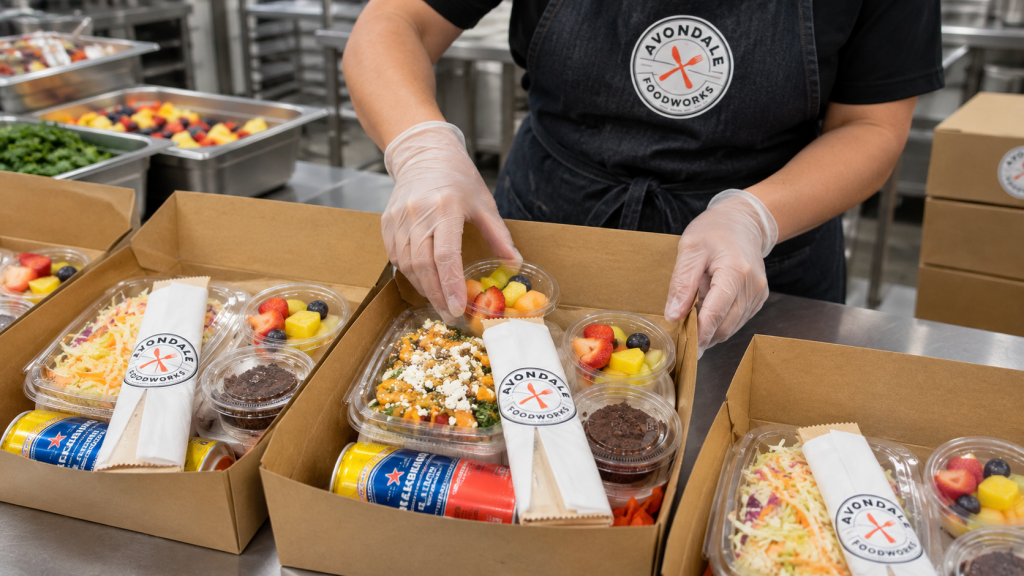
Planning lunch for a team sounds simple until you’re the one doing it. Someone has to figure out how many people are actually eating, who has a dietary restriction, what menu will hold up for a two-hour training session, and how to avoid ordering the same sandwich platter for the third week in a row.
A healthy office lunch isn’t about a specific diet or a trendy ingredient. It’s about a menu with enough balance and variety that most of your team finds something they’d actually want to eat, planned with enough detail that nothing gets missed. Here’s how to think through it, whether you’re catering one meeting or setting up office lunch catering that runs every week.
Why Healthy Office Lunches Matter
Supporting Employee Wellbeing
A well-planned lunch gives employees a proper meal in the middle of the day instead of whatever they can grab in fifteen minutes. Offering balanced options, including protein, vegetables and grains alongside the usual comfort foods, gives people a real choice rather than one single option that may not work for everyone.
Creating a Better Workplace Dining Experience
Lunch is one of the few points in a workday where people actually sit down together. A menu that feels considered, with some variety and a few options to choose from, makes that break feel less like an afterthought and more like something worth looking forward to.
Making Team Lunches Convenient
Convenience matters just as much as the menu itself. Food that arrives on time, is easy to serve, and doesn’t require someone to run out and pick up orders from three different places takes a real task off an office manager’s plate.
What Makes a Healthy Office Lunch?
Include a Balance of Protein, Vegetables and Grains
A balanced office lunch generally includes a protein option, some vegetables, and a grain or starch, rather than a menu built around one type of food. This doesn’t need to be complicated: a sandwich or wrap with a side salad, or a hot lunch with a protein, a vegetable side and rice or grains, covers the basics without overthinking it.
Offer a Variety of Menu Options
Variety is what keeps a healthy lunch from feeling repetitive. Offering more than one main option, along with a side or two, gives employees with different tastes and appetites something that actually works for them, rather than a single dish everyone has to make do with.
Consider Different Dietary Preferences
Even a simple team lunch benefits from accounting for common dietary preferences upfront. Building in at least one vegetarian option, and confirming whether anyone needs vegan, gluten-free or halal choices, is easier to plan for at the start than to fix once the food has already arrived.
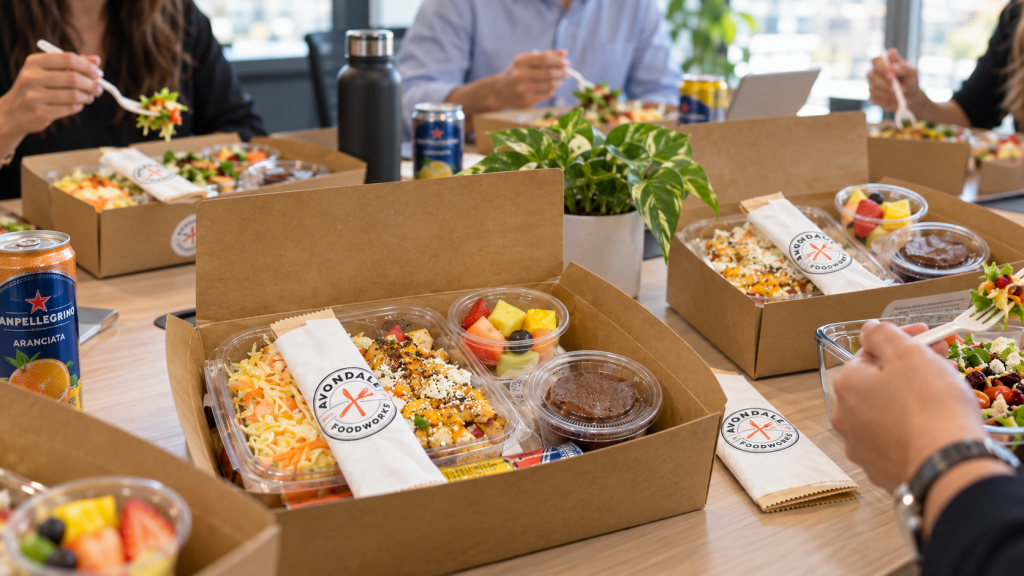
How to Plan an Office Lunch for Your Team
Start With Your Team Size
A balanced office lunch generally includes a protein option, some vegetables, and a grain or starch, rather than a menu built around one type of food. This doesn’t need to be complicated: a sandwich or wrap with a side salad, or a hot lunch with a protein, a vegetable side and rice or grains, covers the basics without overthinking it.
Understand Dietary Requirements
Ask employees about dietary requirements before you finalize a menu, not after. A short survey or a quick message to the team is usually enough to flag vegetarian, vegan, gluten-free, halal or other requirements so the caterer can plan around them.
Choose a Practical Menu
The right menu depends on the occasion. A sandwich or wrap lunch works well for a casual team meeting or a quick working lunch, while a hot lunch with a protein, vegetables and a starch tends to suit a longer meeting or a more substantial midday meal. Avondale’s own menu is built around this same split, with a sandwich lunch program and a separate hot lunch program, so the format decision usually comes down to how much time your team has to eat and how substantial the meal needs to be.
Plan Portions and Serving Requirements
Portion planning depends on your guest count, whether lunch is the main meal of the day, and how the food is being served. Avondale asks for guest count and menu format up front for exactly this reason, since that combination is generally what’s needed to recommend the right quantities rather than leaving it to guesswork. Avondale’s sandwich lunch program has a 15-guest minimum, so it’s worth confirming your expected headcount before deciding on a format.
Quick answer: what changes by team size
- Small team – a couple of menu options and a simple serving setup are usually enough, once dietary requirements are confirmed.
- Medium team – plan for more menu variety, clearer portion planning, and a serving setup that can handle a bigger group without slowing things down.
- Large team – confirm headcount early and plan around menu structure, portions, dietary requirements, and delivery or service logistics together.
Dietary Requirements to Consider When Planning an Office Lunch
Vegetarian and Vegan Options
Vegetarian and vegan requirements are among the most common dietary considerations for office lunches. Avondale includes vegetarian and vegan options across its sandwich and hot lunch menus, but confirming in advance how many employees need these options still helps ensure enough of each is planned for, rather than a single vegetarian dish stretched to cover everyone.
Gluten-Free and Other Dietary Requirements
Gluten-free requirements, along with other dietary needs, should be communicated clearly to your caterer before the menu is finalized. Avondale offers gluten-free and halal options alongside its standard menus, but not every dish can be adapted on short notice, so flagging this early gives the kitchen time to plan properly.
Allergy Considerations
If anyone on your team has a food allergy, let your caterer know directly and ask how they handle that information. This is worth confirming as part of your planning conversation rather than assuming it will be covered automatically.
How Often Should You Provide Office Lunch?
There’s no fixed schedule that works for every company — it usually comes down to occasional lunches, a weekly program, or ongoing recurring catering, depending on what works best for your team.
One-Time Team Lunches
A one-time lunch works well for a single meeting, a team celebration, or an occasional treat. Planning is simpler because you’re working with one date, one guest count and one menu decision.
Weekly Office Lunch Programs
A weekly office lunch program gives teams a consistent, recurring meal without having to plan from scratch each time. Avondale’s weekly menus rotate on their own schedule, and setting up a recurring program generally requires about a week’s notice, with no long-term contract required to get started.
Recurring Corporate Catering
Recurring corporate catering extends this idea further, covering regular team lunches, ongoing training programs, or standing meetings that happen on a set schedule. Avondale caters daily for corporate training programs, with group sizes ranging from around 12 people up to 200 or more, so this works whether you’re feeding one recurring class or several concurrent training sessions. The main planning considerations stay the same regardless of scale: consistency, enough notice, and a process for updating dietary requirements as your group changes.
How to Make Office Lunches More Enjoyable
Rotate the Menu
Rotating the menu is one of the simplest ways to keep a recurring lunch program from feeling stale. A rotating weekly menu means employees aren’t looking at the same two or three dishes every time lunch arrives.
Introduce Seasonal Options
Seasonal menu options can add some natural variety throughout the year without requiring a complete menu overhaul. A lunch program that shifts slightly with the seasons tends to feel more current than one that stays exactly the same in January and July.
Give Employees Variety
Beyond rotation, variety also comes from offering more than one main dish or format at a given lunch. A choice between a couple of options, even a simple one, gives employees more of a say in what they’re eating.
Should You Use Professional Office Catering?
Saving Time on Meal Planning
Professional catering can take the planning work off an office manager’s desk, particularly for recurring lunches. Instead of sourcing menus, coordinating orders and tracking dietary requirements every week, a caterer can manage that process on a set schedule.
Managing Different Dietary Requirements
An established caterer that regularly works with corporate groups is generally set up to handle a range of dietary requirements as part of their normal menu planning, rather than treating each request as a special exception. Avondale’s vegetarian, vegan, gluten-free and halal options are already built into its standard menus for this reason. That said, no caterer can automatically accommodate every dietary restriction without advance notice, so it’s still worth confirming specifics ahead of time.
Making Recurring Lunches Easier
For companies that provide lunch regularly, whether that’s a weekly team meal or ongoing catering for a training program, professional catering can simplify the process considerably: one point of contact, a menu that rotates on its own schedule, and consistent delivery instead of coordinating multiple orders each time. Avondale runs this without locking clients into a long-term contract, so a weekly program can scale up, pause or change format as your team’s needs shift.
Looking for fresh and convenient lunch options for your team? Explore Avondale Foodworks’ corporate catering menu.
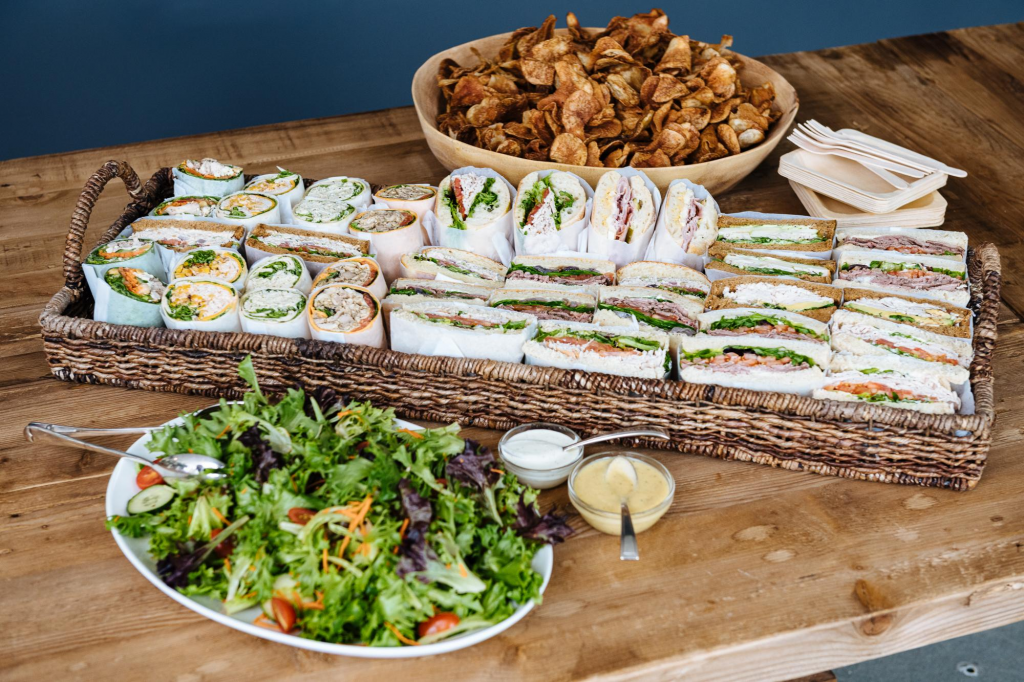
How Avondale Foodworks Can Help With Office Lunch Catering
Avondale Foodworks provides office lunch catering for businesses across Mississauga, Toronto, Brampton, Oakville, Etobicoke and the wider GTA. Pulling the numbers referenced throughout this article together: the sandwich lunch program starts at $25.95 per person with a 15-guest minimum, and the hot lunch program starts at $30.95 per person. Final pricing can vary depending on menu selection, guest count and service requirements, so it’s worth confirming current details with the team before booking.
Healthy Office Lunch Planning Checklist
- Confirm your team size and expected guest count
- Check dietary requirements, including vegetarian, vegan, gluten-free and halal needs
- Plan a balanced range of menu options, not just one dish
- Consider portion sizes and serving style for your group
- Build in variety, especially for recurring lunches
- Decide whether the lunch is one-time, weekly or recurring
- Confirm delivery and service requirements with your caterer
- Confirm current pricing and any minimum guest counts
- Give your caterer enough notice, especially for recurring programs
- Confirm your final guest count close to the event date
Takeaway
A healthy office lunch comes down to a few practical decisions: knowing your team size, asking about dietary requirements early, choosing a menu that fits the occasion, and building in enough variety that people don’t dread seeing the same tray again. None of that requires overthinking, but it does require planning ahead.
For a single team meeting, handling this internally is often manageable. For weekly lunches or ongoing catering for a training program, professional catering can take that planning off your plate and keep the menu, the schedule and the dietary details consistent from one week to the next.
Planning a team lunch or recurring office meal? Talk to our team about creating a menu that works for your workplace.
Frequently Asked Questions
A healthy office lunch should offer a balanced selection of foods and provide enough variety to suit different preferences and dietary requirements. Avondale’s sandwich and hot lunch menus are both built around this balance, pairing protein with vegetables and grains rather than a single-note dish.
Start by confirming your headcount, dietary requirements and preferred menu format, since that combination is what a caterer needs to recommend quantities. Avondale caters training groups and large teams from around 12 people up to 200 or more, so larger office lunches are handled as a normal part of planning rather than a special case.
Ask employees about dietary requirements in advance and communicate the information clearly to your caterer. Avondale’s menus already include vegetarian, vegan, gluten-free and halal options, so most common requirements can be planned for once you confirm how many people need them.
There is no single schedule that works for every company. Some businesses provide occasional lunches for meetings or team events, while others set up a weekly office lunch program; Avondale’s weekly menus rotate on their own schedule and don’t require a long-term contract to start.
A healthy office lunch can include a combination of proteins, vegetables, grains, salads, and other balanced menu options. Avondale’s sandwich or wrap lunch works well for a quick working lunch, while its hot lunch format suits a longer meeting or a more substantial midday meal.
The amount depends on the number of people, type of meal, menu, serving style, and whether the lunch is the main meal of the day. Avondale uses guest count and menu format to recommend quantities directly, and the sandwich lunch program has a 15-guest minimum worth factoring into your headcount.
Weekly catering can save office teams time spent planning, ordering, and coordinating meals. Avondale’s weekly program rotates the menu automatically and generally needs about a week’s notice to set up, with no long-term contract required.
Consider the caterer’s menu variety, ability to accommodate dietary requirements, experience with corporate groups, service area, pricing, flexibility, and ability to provide meals consistently for your team. Avondale serves Mississauga, Toronto, Brampton, Oakville, Etobicoke and the wider GTA, with sandwich and hot lunch formats and no long-term contract requirement.
Request a Catering Quote
Tell us your team size, location, and catering needs to get started with a customized quote.
Corporate Holiday Lunch Ideas: Planning the Right Menu for Your Team
Corporate Holiday Lunch Ideas: Planning the Right Menu for Your Team
The holiday season fills calendars fast. If you are organizing a team lunch, the menu is usually your first big decision. It is also the part your colleagues will remember.
A good holiday lunch feels easy for everyone. The food arrives hot, every person has something to eat, and nobody is left waiting. Getting there takes some planning.
This guide walks you through the key choices. You will find menu ideas, tips for dietary needs and a checklist to keep your planning on track. If you are researching corporate holiday catering in Toronto, it will help you ask the right questions before you book.
Start Planning Your Corporate Holiday Lunch Early
December is not the only busy month. Thanksgiving lunches, year-end celebrations and seasonal team events all compete for the same dates. Popular days fill up early.
Starting early gives you more control. You can choose your preferred date, confirm your headcount and collect dietary needs without rushing. You also avoid last-minute menu compromises.
Here is a simple way to think about timing:
- Set the date first. Check for client deadlines, holidays and hybrid work days.
- Estimate your headcount. A rough number is enough at the start.
- Contact your caterer. Ask about lead times for your chosen date.
- Collect dietary needs. Send a short form well before the event.
A small head start removes most of the stress later.
Choose a Holiday Menu That Works for Your Team
A great holiday menu balances comfort and variety. People want something festive, but they also want food that suits different tastes. Think about what your team will actually enjoy on a workday.
Traditional Turkey and Classic Holiday Favourites
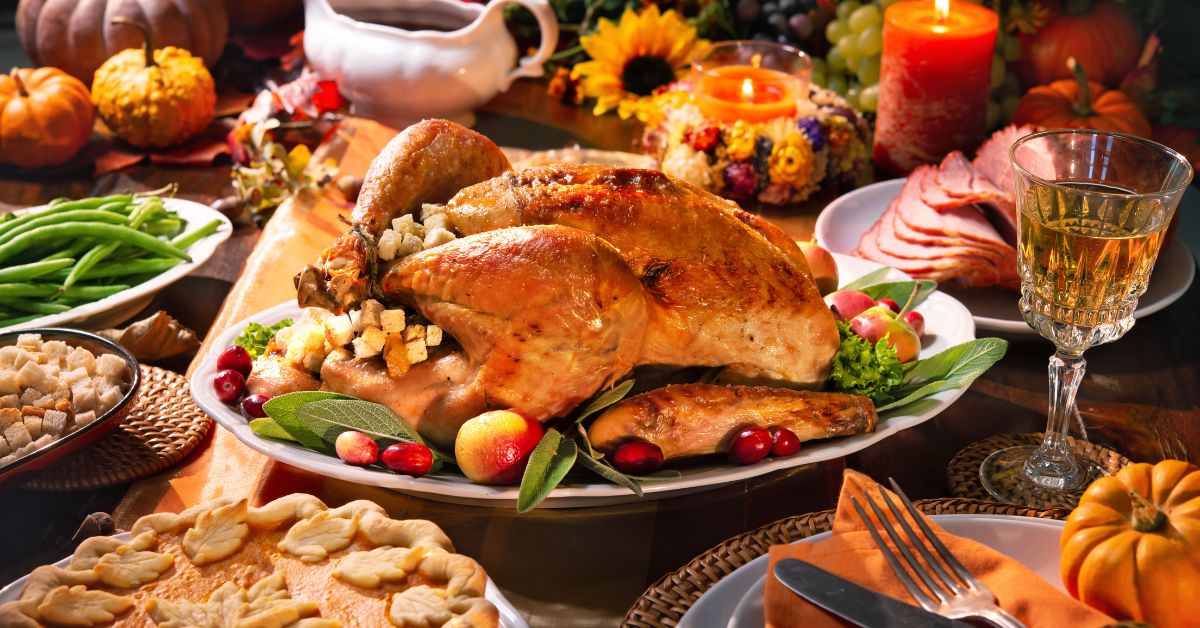
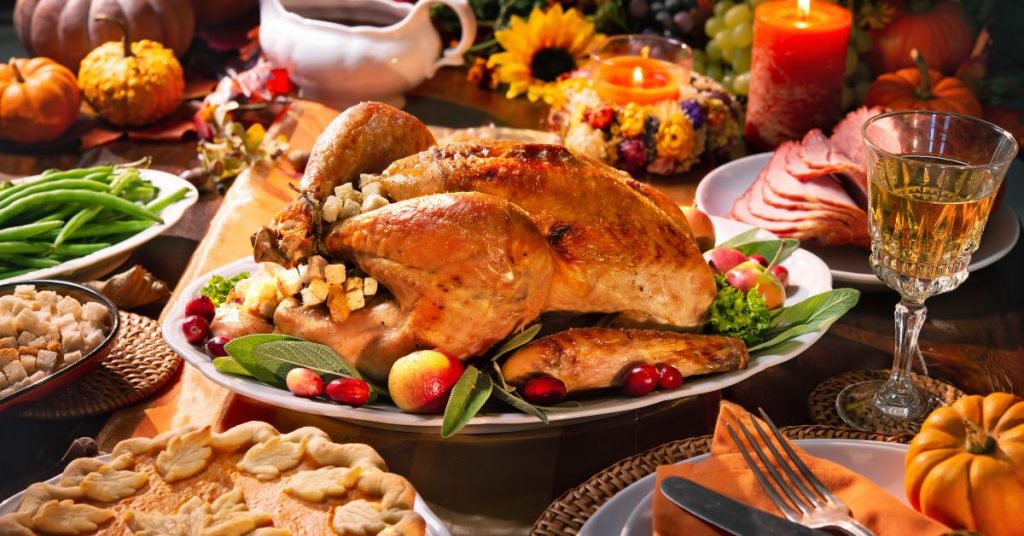
Turkey is the most familiar holiday meal in Canada. It feels festive, it suits a group, and most people know what to expect. That familiarity is a real advantage when you are feeding a mixed team.
Avondale’s Traditional Turkey is a good example of this kind of crowd-pleaser. Pair it with classic sides and you have a meal that feels like a proper celebration without being complicated to serve.
When you build a holiday menu, aim for balance:
- One main that most people recognize
- Two or three hearty sides
- A fresh option, such as a salad
- A dessert or sweet finish, if the budget allows
This approach keeps the menu simple. It also makes it easier to add dietary options later.
Thanksgiving Lunch Ideas for Corporate Teams
Thanksgiving is a natural fit for a team meal. It is about gratitude, and that makes it a good moment to thank your staff. Many companies use a Thanksgiving lunch to close out a busy quarter or welcome everyone back to the office.
The menu can stay close to tradition. Turkey, roasted vegetables, potatoes and warm sides all work well. If you plan to order Thanksgiving lunch for the office, decide early whether you want a full sit-down meal or an easy serve-yourself setup.
A few ideas to consider:
- A full turkey dinner. This suits a relaxed lunch break with time to sit together.
- Individually packed meals. These work well for hybrid teams and busy schedules.
- A shared buffet-style setup. This encourages people to mingle and choose their own portions.
Thanksgiving catering does not need to be elaborate. A well-planned, warm meal often makes the biggest impression.
Options for Different Dietary Needs
Every team includes people with different needs. Some colleagues eat Halal. Others are vegan or gluten-free. A strong holiday menu includes real options for each group, not just a side dish.
Think about dietary needs when you first choose the menu. Adding them later often leads to limited choices. Ask your caterer what they can offer and how they keep those meals separate.
Consider Your Team Size and Catering Format
Team size shapes almost every decision. A group of 15 has different needs than a group of 150. The right format depends on your headcount, your space and your schedule.
Here is how the main formats compare:
- Individually packed meals. Each person receives their own meal. This suits smaller teams, mixed dietary needs and hybrid offices.
- Buffet-style service. Food is set out for people to serve themselves. This works well for larger groups and social events.
- Drop-off catering. The caterer delivers and you handle the setup. This is a practical choice for busy offices.
Space matters too. Ask yourself where people will eat. A boardroom, an open kitchen and a large event hall all call for different setups.
Timing counts as well. If your team has staggered lunch breaks, food needs to stay fresh over a longer window. If everyone eats at once, a single serving line may create a queue.
Make Dietary Requirements Easy to Manage
Dietary planning does not have to be stressful. A clear process makes it simple.
Step 1: Ask early. Send a short survey when you announce the lunch. Ask about Halal, Vegan and Gluten-Free needs. Add a space for allergies and other notes.
Step 2: Share the details. Give your caterer the final numbers for each dietary group. Specific counts help them prepare accurately.
Step 3: Keep meals separate. Meals packed separately help prevent mix-ups and make it easier for people to find their own food. This is especially helpful when several dietary needs are present.
Step 4: Label everything. Clear labels save time and reduce questions. They also help people feel confident about what they are eating.
If your caterer offers separately packed meals, this process becomes much smoother. Each person gets a meal that matches their needs. Nobody has to search through trays or ask what is in each dish.
Keep Food Hot and Ready to Serve
A great menu can fall flat if the food arrives lukewarm. Temperature matters, especially for hot dishes like turkey. It affects both taste and safety.
Ask your caterer how they keep food hot during delivery and service. Cambro warmers are one practical method. These insulated carriers hold heat for a long stretch, so food stays hot from the kitchen to your office.
This matters most when:
- Your team eats in waves rather than all at once
- Traffic could delay delivery
- The lunch runs longer than usual
Presentation counts too. Neat packaging and a tidy setup make the meal feel special. A clean table with clearly labeled dishes sends a message that you put care into the event.

From Office Lunches to Corporate Holiday Catering
Many companies already order regular office lunch catering for meetings, training days or team gatherings. A holiday lunch builds on that experience. The main difference is the level of celebration.
If you have used a caterer for everyday lunches, you already know what works for your team. You can use that knowledge to plan the holiday menu. Think about which dishes people enjoyed, what format fit your space and how smoothly delivery went.
Seasonal events also bring new needs. Holiday catering often means larger orders, tighter timing and more variety. That is why corporate holiday catering in Toronto benefits from a partner who plans ahead.
If your team is based across the city or in the west GTA, ask about delivery coverage early. Companies in Mississauga, Brampton, Oakville and Etobicoke often have different delivery windows and access requirements. Confirming these details up front keeps the day on schedule.
A caterer who understands corporate needs will ask the right questions. They will check your headcount, timing, dietary needs and setup, then help you choose a format that fits.
Corporate Holiday Lunch Planning Checklist
Use this checklist to stay organized from start to finish.
Four to six weeks before
- Choose the date and time
- Estimate your headcount
- Set a rough budget
- Contact your caterer
Three to four weeks before
- Send a dietary needs survey
- Decide on the format: individually packed, buffet or drop-off
- Choose your main dish and sides
One to two weeks before
- Confirm your final headcount
- Share dietary counts with your caterer
- Confirm the delivery address, access and timing
The week of the event
- Tell your team when and where lunch will be served
- Confirm the setup space
- Plan for serving utensils, plates and napkins, if needed
On the day
- Have someone ready to receive the delivery
- Check that labels match the dietary needs
- Serve food promptly while it is hot
Key Takeaway
A successful corporate holiday lunch comes down to preparation. Start early, know your team size and plan for dietary needs from the beginning. Choose a menu that feels festive but familiar, and make sure the food stays hot and well presented.
Whether you are organizing a Thanksgiving lunch or a year-end celebration, a clear plan removes the guesswork. That leaves you free to enjoy the event with your team.
Frequently Asked Questions
Start with a familiar main, such as turkey, and add two or three hearty sides. Include a fresh option like a salad, plus a dessert if your budget allows. Then add dietary options for Halal, Vegan and Gluten-Free guests. A balanced menu keeps the meal festive and gives everyone something to enjoy.
A classic turkey meal with roasted vegetables, potatoes and warm sides is a reliable choice. For hybrid or busy teams, individually packed meals are easy to distribute. For a more social event, a buffet-style setup lets people build their own plate. If you want to order Thanksgiving lunch for a larger team, book early and share your dietary counts up front.
Ask your team about dietary needs early, then share the exact counts with your caterer. Request separately packed meals so each person gets a meal that matches their needs. Clear labels reduce confusion and help everyone feel included.
Book as early as you can, ideally several weeks before your event. Popular dates fill up quickly during the holiday season. Early booking also gives you time to confirm dietary needs, choose a format and finalize delivery details.
Contact Avondale Foodworks for Your Event
Fresh Ingredients, Seasonal Flavours: Inside a Scratch-Made Corporate Menu

Why Scratch-Made Corporate Catering Tastes Different,
and What to Look For

Avondale Foodworks is a scratch-kitchen corporate caterer in Mississauga that has served offices, corporate training centres, boardrooms and company events across the GTA since 1999. We prepare food from raw ingredients in our own kitchen and cater for groups ranging from small office meetings to events with thousands of guests.
From the outside, corporate catering in Mississauga, Toronto and the surrounding GTA can often look similar. Trays arrive, food is set out, and everyone gets on with the day. But one of the things that can make a noticeable difference is something that is not always obvious on an order form: how the food was prepared.
For teams ordering lunch regularly, that difference becomes especially important over time. Here is what scratch-made catering means in our kitchen, how fresh and seasonal preparation shapes a menu, and a few useful questions to ask when choosing a corporate caterer.
What Does Scratch-Made Catering Mean?
Ingredients Prepared in Our Kitchen
Scratch-made catering means dishes are prepared from raw ingredients in the kitchen rather than relying primarily on pre-packaged or frozen components.
In our kitchen, a quinoa pilaf starts with grain and vegetables. A slow-cooked brisket sandwich starts with the brisket. Curry chickpea and falafel wraps are prepared as part of the kitchen process rather than simply opened and served.
There is nothing complicated about the idea. It simply gives our kitchen more involvement in how each dish comes together.
Why Preparation Matters in Corporate Catering
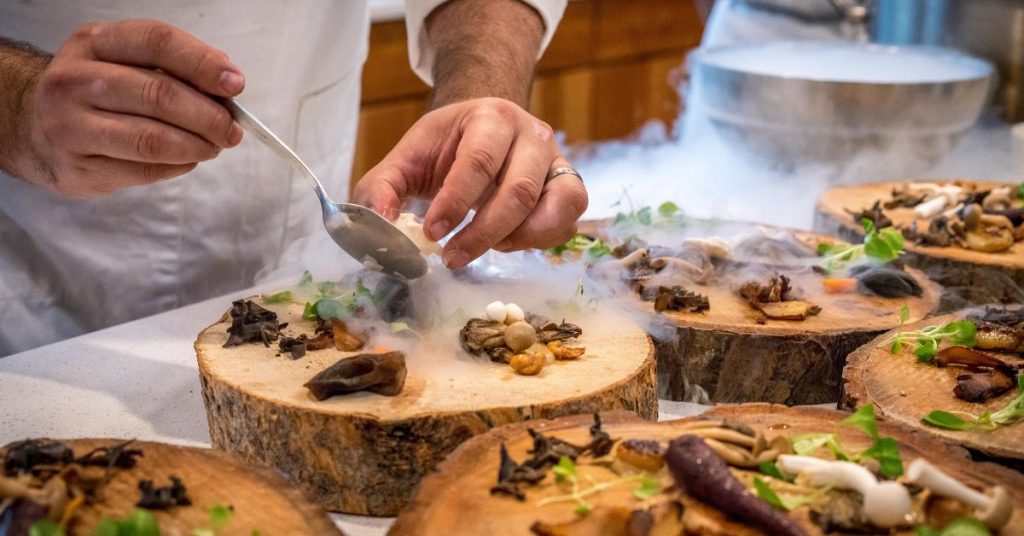
Preparing food from raw ingredients gives a kitchen greater control over seasoning, texture, portioning and how the different components work together.
It also gives us more flexibility when planning for different groups. A boardroom lunch, a five-day training program and an outdoor company BBQ all have different requirements, and the menu should reflect that.
For us, scratch preparation is less about making a claim and more about having the flexibility to build the meal around the people and the occasion.
What Fresh and Seasonal Ingredients Change
Variety Over Weeks, Not Just One Good Day
Variety becomes particularly important when employees are eating catered meals regularly.
Our office lunch menus rotate weekly, and training centre menus are planned so that a five-day cohort does not have to eat the same lunch twice.
A single lunch can be relatively easy to plan. A recurring lunch program is different. Over several weeks, teams tend to appreciate changes in flavours, proteins, salads, sides and presentation.
Working from raw ingredients gives our kitchen more room to make those changes.
Dietary Requirements Planned In, Not Added at the End
Different dietary requirements are now a normal part of corporate catering.
Vegetarian, vegan, gluten-free and halal options are available across our menus without being treated simply as an afterthought or a separate experience.
For example, a hot lunch menu may include seven-bean vegan chili or vegetable lasagna alongside options such as butter chicken or Thai red curry chicken. This gives a mixed group a meaningful selection rather than leaving someone with only a basic substitute.
Dietary items are labelled during service, and we ask clients to flag requirements when booking so that the menu can be planned appropriately.
The Kitchen Behind the Menu Matters Too
Food quality is only one part of corporate catering.
Businesses, property managers and procurement teams may also need to understand the operational side of the caterer they are bringing onto their site.
Avondale carries commercial liability insurance, our kitchen is inspected by Peel Public Health, and certified food handlers are present at events.
These may not be the first things people think about when looking at a menu, but they are important questions to include when evaluating a catering partner.
How the Calendar Shapes a Corporate Menu
Building Menus Around the Season
Seasonal planning does not necessarily mean changing everything on the menu every few weeks. It means considering which types of food, service and presentation are best suited to the time of year.
During summer, that naturally includes more outdoor events and live-fire BBQ, with options such as brisket, ribs, chicken, sausages and grilled vegetables. Halal, vegetarian and vegan options can be included as part of the menu planning.
As the weather changes, corporate catering tends to move toward hot entrées, holiday buffets, reception platters and year-end events.
The goal is to make the menu appropriate for the occasion rather than force every event into the same format.
Planning Around the Corporate Calendar
Timing can matter almost as much as the menu.
Our main BBQ season runs from June through August, and popular dates can book well in advance. The summer calendar will often be largely committed by the end of March, while September events may still be possible with approximately four weeks’ notice.
Holiday catering follows a different rhythm. Bookings begin in August, September and October generally provide the strongest availability for prime December dates, and by November the remaining choices can be more limited.
If a year-end event is already on the company calendar, starting the conversation earlier usually gives everyone more flexibility.
What Our Corporate Catering Covers
Office Lunch Programs
Office catering needs to fit into the workday rather than interrupt it.
Our sandwich lunch program starts at $25.95 per person, with a 15-guest minimum, while the hot lunch program starts at $30.95 per person.
Menus rotate weekly.
Typical sandwich selections may include smoked turkey with cranberry chutney, chicken Caesar wraps, curry chickpea or falafel wraps, paired with salads such as couscous chickpea or arugula with cranberry.
Hot lunch menus may include butter chicken, beef stew, roast chicken with mushroom, Thai red curry chicken, quinoa pilaf and roasted vegetables.
Recurring programs generally require about a week’s notice to set up. There is no requirement for a long-term contract, so the schedule can be adjusted as business needs change.
Corporate Training Centre Catering
Training centres have been an important part of Avondale’s work for many years.
Catering a training program is different from delivering a single office lunch. When participants are on site for several consecutive days, the food needs to arrive reliably while also providing enough variation across the week.
We provide breakfast-through-lunch programs for groups from approximately 12 to 200 or more, with continental breakfast starting from $12.95 per person.
Menus can rotate throughout the training schedule so attendees are not seeing the same meal each day.
Executive and Boardroom Catering
Boardroom catering usually calls for a different style of menu and presentation.
Smaller groups give the kitchen an opportunity to focus more closely on plating, pacing and combinations that suit a meeting environment.
Options may include roasted tomato bisque, quinoa and bean salad, Italian ciabatta sandwiches, vegetable and paneer wraps and maple crème brûlée.
The objective is straightforward: food that feels appropriate for the meeting without becoming a distraction from it.
Corporate Events and Live-Fire BBQ
Large corporate events introduce a different set of logistical considerations.
Guest counts, outdoor conditions, serving times, equipment, setup and cleanup all need to work together.
Avondale provides live-fire BBQ catering on site for groups from approximately 50 to 2,000 guests, starting from $26.95 per person.
Setup, service and cleanup are included. Our grills and generators are self-contained, which means the venue does not need to supply power or gas, and the main cooking setup can operate within approximately a 20-by-20-foot footprint.
Weather is always part of outdoor event planning. Across more than 15 seasons of BBQ events, we have been able to continue service by using tents or moving the service indoors when necessary.
Try the Menu Before You Commit
For recurring lunch programs and larger events, we can arrange a tasting so your team has an opportunity to experience the food before making a larger commitment.
A tasting can also help with menu selection, dietary planning and determining what style of service works best for the group.
Scratch-Made and Standard Prepared Catering
There are many different approaches to corporate catering, and the right one depends on the event, budget, group and service requirements.
One practical difference is where the preparation begins.
Scratch-made catering generally starts with raw ingredients prepared in-house. Other catering models may make greater use of pre-made or par-cooked components.
Neither description alone tells you everything about a caterer, but understanding the preparation model can help you ask better questions about flexibility, variety and service.
| Scratch-Made Catering | Standard Prepared Catering |
Ingredients | Fresh, prepared in-house | Often pre-made or par-cooked |
Preparation | Cooked to order from raw ingredients | Reheated or assembled |
Menu flexibility | Can be adjusted for group, season and dietary needs | Limited by pre-made product options |
Seasonal variety | Menus can shift with what’s in season | Typically a fixed, year-round menu |
Presentation | Holds texture and plating quality | Can lose quality after reheating |

What to Ask Before You Book a Corporate Caterer
Ask How the Food Is Prepared
- Ask where preparation happens and how the dishes are made.
- Specific answers about ingredients and preparation are usually more helpful than broad descriptions such as “fresh” or “premium.”
- A caterer should be comfortable explaining how the food gets from the kitchen to your table.
Ask What Happens When the Numbers Change
- Corporate events rarely stay exactly the same from the first conversation to the event date.
- Guest counts change. Dietary requirements appear. Meeting schedules move.
- Ask how the caterer handles those changes and when final numbers need to be confirmed.
Ask About Experience With Your Type of Event
- A weekly office lunch, a five-day training cohort, an executive boardroom meeting and a 500-person BBQ are very different catering assignments.
- Ask whether the caterer regularly handles events similar to yours and how they normally approach them.
Ask About the Operational Details
- Insurance, food safety requirements, health inspections and food handler certification are reasonable questions when selecting a catering vendor.
- For larger events, it is also worth asking about setup requirements, power, equipment, service staff, cleanup and contingency plans.
- These details may not appear on the menu, but they can make a significant difference on the day of the event.
Takeaway
Scratch-made catering is not about making food unnecessarily complicated.
For us, it is simply the way we have chosen to operate: preparing food from raw ingredients, planning menus around the group and maintaining enough flexibility to serve everything from a small office lunch to a large corporate event.
If you are comparing corporate caterers, ask how the food is prepared, how the menu changes for different groups and what happens when your requirements change.
The answers will usually give you a good sense of whether the caterer is the right fit for your team.
Avondale Foodworks serves businesses across Mississauga, Toronto, Brampton, Etobicoke, Oakville, Vaughan, North York, Markham and the wider GTA.
Monday to Friday, 7 a.m. to 3 p.m.
Call 905.678.3223 or email suresh@avondalefoodworks.com.
Frequently Asked Questions
Scratch-made corporate catering means food is prepared from raw ingredients in the kitchen rather than relying primarily on pre-made components. Avondale Foodworks has followed this approach in Mississauga since 1999.
Our sandwich lunch program starts at $25.95 per person, and our hot lunch program starts at $30.95 per person. Pricing can vary based on guest count, menu and service requirements, and delivery or service charges may apply.
The sandwich lunch program has a 15-guest minimum. Smaller groups may also be accommodated through boxed lunch options.
Approximately one week is recommended when setting up a recurring lunch program.
Summer BBQ dates can book several months ahead, particularly for popular dates, while December holiday events are generally best booked during September or October.
Yes. Vegetarian, vegan, gluten-free and halal options are available across our menus. Dietary items are labelled, and we recommend sharing requirements when booking so they can be included in the menu planning.
Yes. Training centre catering is an established part of our business. We provide breakfast-through-lunch programs for groups from approximately 12 to 200 or more, with menu rotation available across multi-day programs.
We serve Mississauga, Toronto, Brampton, Etobicoke, Oakville, Vaughan, North York, Markham and other areas across the GTA.
For recurring lunch programs and larger events, we can arrange a tasting so your team can experience the menu before making a larger commitment.
Tell us about your event, guest count and location, and our team will help you plan a menu that fits the occasion.