

Why Scratch-Made Corporate Catering Tastes Different,
and What to Look For
Avondale Foodworks is a scratch-kitchen corporate caterer in Mississauga that has served offices, corporate training centres, boardrooms and company events across the GTA since 1999. We prepare food from raw ingredients in our own kitchen and cater for groups ranging from small office meetings to events with thousands of guests.
From the outside, corporate catering in Mississauga, Toronto and the surrounding GTA can often look similar. Trays arrive, food is set out, and everyone gets on with the day. But one of the things that can make a noticeable difference is something that is not always obvious on an order form: how the food was prepared.
For teams ordering lunch regularly, that difference becomes especially important over time. Here is what scratch-made catering means in our kitchen, how fresh and seasonal preparation shapes a menu, and a few useful questions to ask when choosing a corporate caterer.
What Does Scratch-Made Catering Mean?
Ingredients Prepared in Our Kitchen
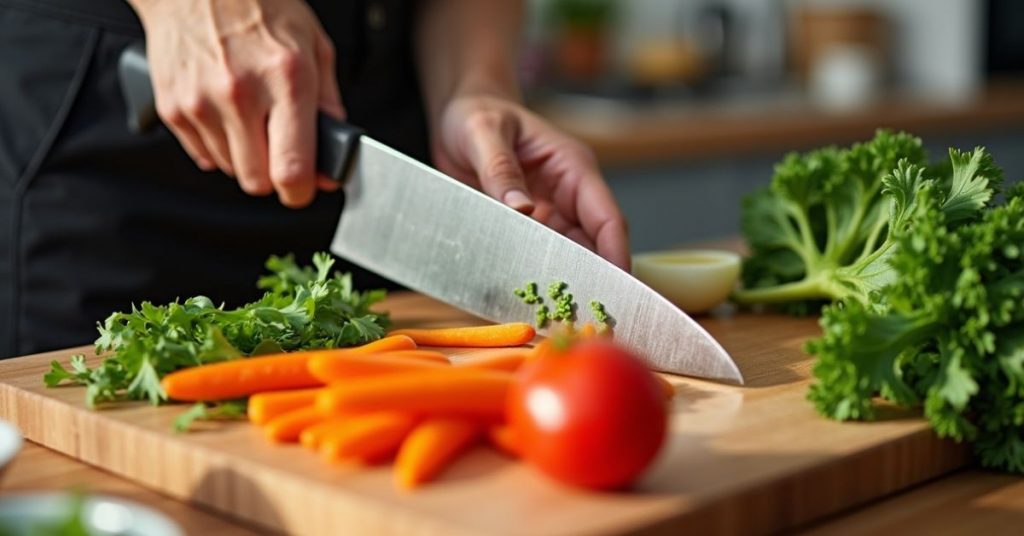
Scratch-made catering means dishes are prepared from raw ingredients in the kitchen rather than relying primarily on pre-packaged or frozen components.
In our kitchen, a quinoa pilaf starts with grain and vegetables. A slow-cooked brisket sandwich starts with the brisket. Curry chickpea and falafel wraps are prepared as part of the kitchen process rather than simply opened and served.
There is nothing complicated about the idea. It simply gives our kitchen more involvement in how each dish comes together.
Why Preparation Matters in Corporate Catering
Preparing food from raw ingredients gives a kitchen greater control over seasoning, texture, portioning and how the different components work together.
It also gives us more flexibility when planning for different groups. A boardroom lunch, a five-day training program and an outdoor company BBQ all have different requirements, and the menu should reflect that.
For us, scratch preparation is less about making a claim and more about having the flexibility to build the meal around the people and the occasion.
What Fresh and Seasonal Ingredients Change
Variety Over Weeks, Not Just One Good Day
Variety becomes particularly important when employees are eating catered meals regularly.
Our office lunch menus rotate weekly, and training centre menus are planned so that a five-day cohort does not have to eat the same lunch twice.
A single lunch can be relatively easy to plan. A recurring lunch program is different. Over several weeks, teams tend to appreciate changes in flavours, proteins, salads, sides and presentation.
Working from raw ingredients gives our kitchen more room to make those changes.
Dietary Requirements Planned In, Not Added at the End
Different dietary requirements are now a normal part of corporate catering.
Vegetarian, vegan, gluten-free and halal options are available across our menus without being treated simply as an afterthought or a separate experience.
For example, a hot lunch menu may include seven-bean vegan chili or vegetable lasagna alongside options such as butter chicken or Thai red curry chicken. This gives a mixed group a meaningful selection rather than leaving someone with only a basic substitute.
Dietary items are labelled during service, and we ask clients to flag requirements when booking so that the menu can be planned appropriately.
The Kitchen Behind the Menu Matters Too
Food quality is only one part of corporate catering.
Businesses, property managers and procurement teams may also need to understand the operational side of the caterer they are bringing onto their site.
Avondale carries commercial liability insurance, our kitchen is inspected by Peel Public Health, and certified food handlers are present at events.
These may not be the first things people think about when looking at a menu, but they are important questions to include when evaluating a catering partner.
How the Calendar Shapes a Corporate Menu
Building Menus Around the Season
Seasonal planning does not necessarily mean changing everything on the menu every few weeks. It means considering which types of food, service and presentation are best suited to the time of year.
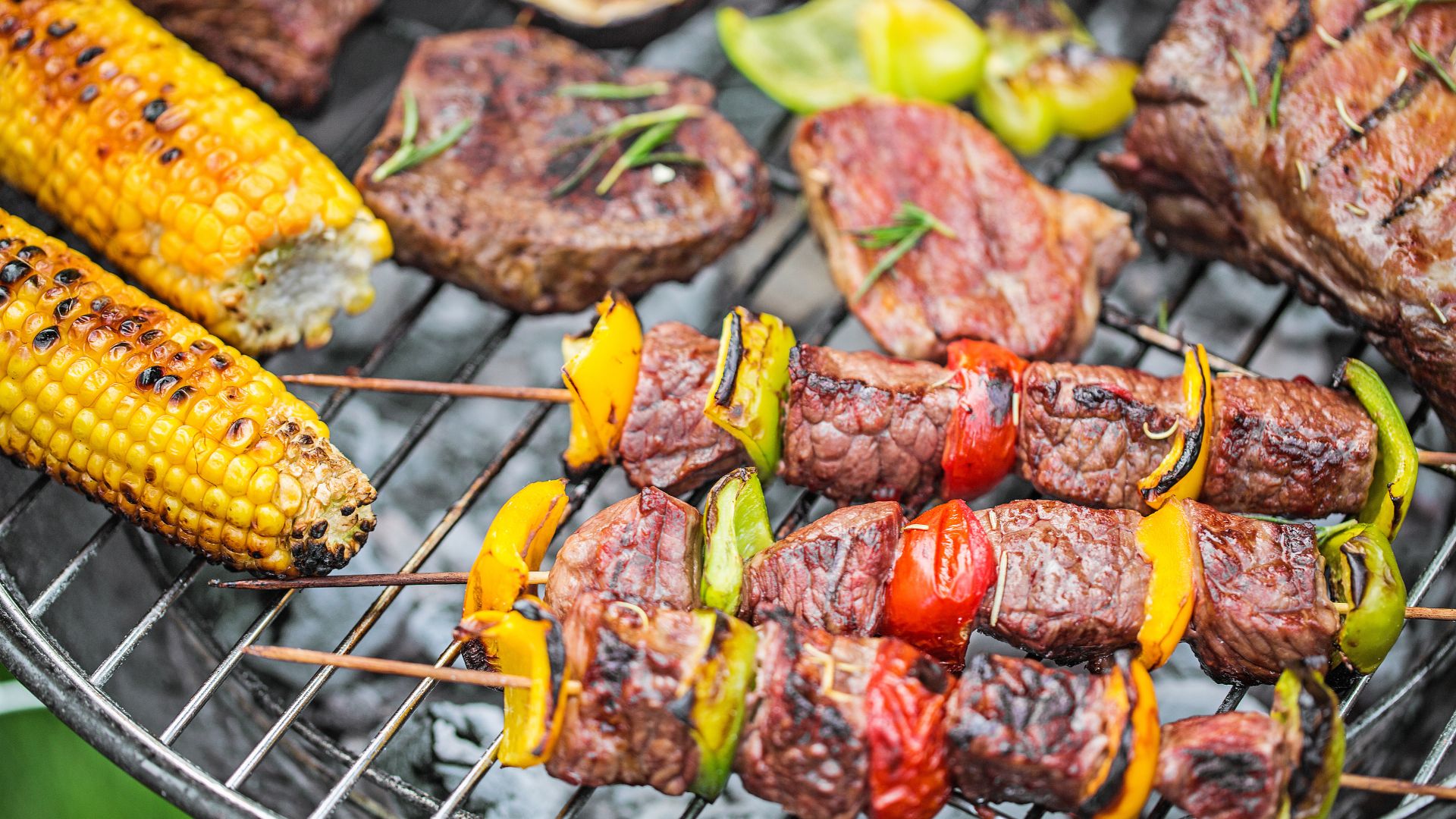
During summer, that naturally includes more outdoor events and live-fire BBQ, with options such as brisket, ribs, chicken, sausages and grilled vegetables. Halal, vegetarian and vegan options can be included as part of the menu planning.
As the weather changes, corporate catering tends to move toward hot entrées, holiday buffets, reception platters and year-end events.
The goal is to make the menu appropriate for the occasion rather than force every event into the same format.
Planning Around the Corporate Calendar
Timing can matter almost as much as the menu.
Our main BBQ season runs from June through August, and popular dates can book well in advance. The summer calendar will often be largely committed by the end of March, while September events may still be possible with approximately four weeks’ notice.
Holiday catering follows a different rhythm. Bookings begin in August, September and October generally provide the strongest availability for prime December dates, and by November the remaining choices can be more limited.
If a year-end event is already on the company calendar, starting the conversation earlier usually gives everyone more flexibility.
What Our Corporate Catering Covers
Office Lunch Programs
Office catering needs to fit into the workday rather than interrupt it.
Our sandwich lunch program starts at $25.95 per person, with a 15-guest minimum, while the hot lunch program starts at $30.95 per person.
Menus rotate weekly.
Typical sandwich selections may include smoked turkey with cranberry chutney, chicken Caesar wraps, curry chickpea or falafel wraps, paired with salads such as couscous chickpea or arugula with cranberry.
Hot lunch menus may include butter chicken, beef stew, roast chicken with mushroom, Thai red curry chicken, quinoa pilaf and roasted vegetables.
Recurring programs generally require about a week’s notice to set up. There is no requirement for a long-term contract, so the schedule can be adjusted as business needs change.
Corporate Training Centre Catering
Training centres have been an important part of Avondale’s work for many years.
Catering a training program is different from delivering a single office lunch. When participants are on site for several consecutive days, the food needs to arrive reliably while also providing enough variation across the week.
We provide breakfast-through-lunch programs for groups from approximately 12 to 200 or more, with continental breakfast starting from $12.95 per person.
Menus can rotate throughout the training schedule so attendees are not seeing the same meal each day.
Executive and Boardroom Catering
Boardroom catering usually calls for a different style of menu and presentation.
Smaller groups give the kitchen an opportunity to focus more closely on plating, pacing and combinations that suit a meeting environment.
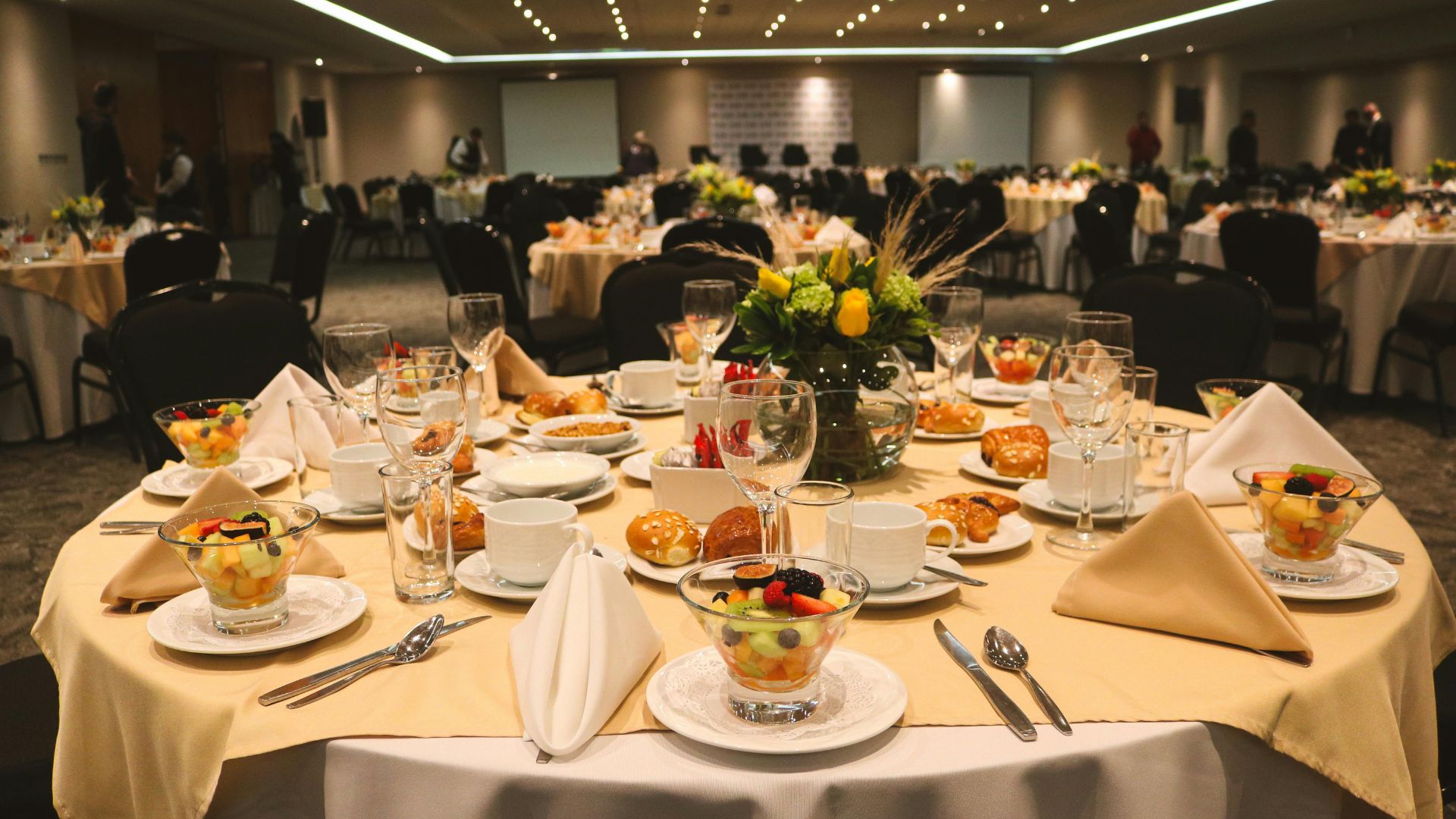
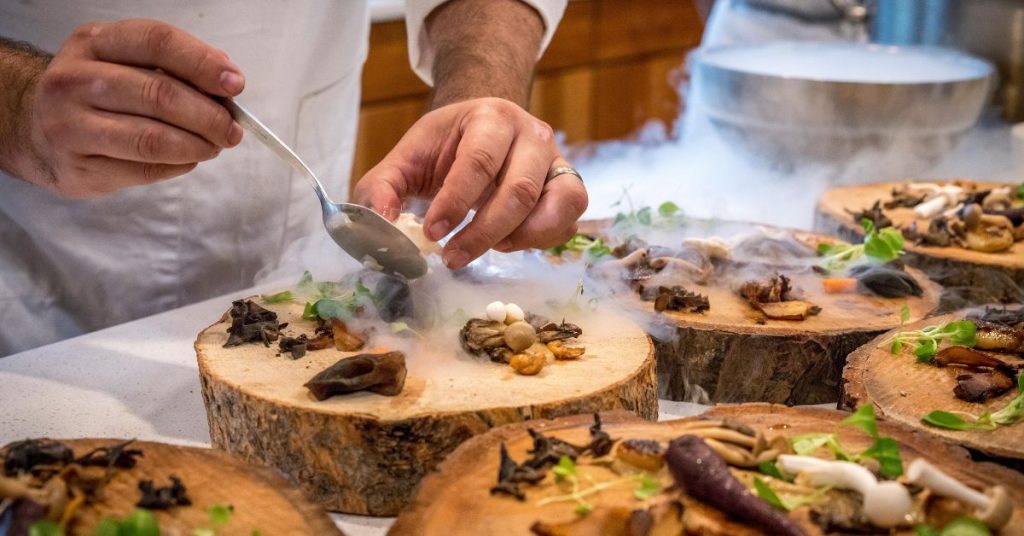
Options may include roasted tomato bisque, quinoa and bean salad, Italian ciabatta sandwiches, vegetable and paneer wraps and maple crème brûlée.
The objective is straightforward: food that feels appropriate for the meeting without becoming a distraction from it.
Corporate Events and Live-Fire BBQ
Large corporate events introduce a different set of logistical considerations.
Guest counts, outdoor conditions, serving times, equipment, setup and cleanup all need to work together.
Avondale provides live-fire BBQ catering on site for groups from approximately 50 to 2,000 guests, starting from $26.95 per person.
Setup, service and cleanup are included. Our grills and generators are self-contained, which means the venue does not need to supply power or gas, and the main cooking setup can operate within approximately a 20-by-20-foot footprint.
Weather is always part of outdoor event planning. Across more than 15 seasons of BBQ events, we have been able to continue service by using tents or moving the service indoors when necessary.
Try the Menu Before You Commit
For recurring lunch programs and larger events, we can arrange a tasting so your team has an opportunity to experience the food before making a larger commitment.
A tasting can also help with menu selection, dietary planning and determining what style of service works best for the group.
Scratch-Made and Standard Prepared Catering
There are many different approaches to corporate catering, and the right one depends on the event, budget, group and service requirements.
One practical difference is where the preparation begins.
Scratch-made catering generally starts with raw ingredients prepared in-house. Other catering models may make greater use of pre-made or par-cooked components.
Neither description alone tells you everything about a caterer, but understanding the preparation model can help you ask better questions about flexibility, variety and service.
| Scratch-Made Catering | Standard Prepared Catering |
Ingredients | Fresh, prepared in-house | Often pre-made or par-cooked |
Preparation | Cooked to order from raw ingredients | Reheated or assembled |
Menu flexibility | Can be adjusted for group, season and dietary needs | Limited by pre-made product options |
Seasonal variety | Menus can shift with what’s in season | Typically a fixed, year-round menu |
Presentation | Holds texture and plating quality | Can lose quality after reheating |

What to Ask Before You Book a Corporate Caterer
Ask How the Food Is Prepared
- Ask where preparation happens and how the dishes are made.
- Specific answers about ingredients and preparation are usually more helpful than broad descriptions such as “fresh” or “premium.”
- A caterer should be comfortable explaining how the food gets from the kitchen to your table.
Ask What Happens When the Numbers Change
- Corporate events rarely stay exactly the same from the first conversation to the event date.
- Guest counts change. Dietary requirements appear. Meeting schedules move.
- Ask how the caterer handles those changes and when final numbers need to be confirmed.
Ask About Experience With Your Type of Event
- A weekly office lunch, a five-day training cohort, an executive boardroom meeting and a 500-person BBQ are very different catering assignments.
- Ask whether the caterer regularly handles events similar to yours and how they normally approach them.
Ask About the Operational Details
- Insurance, food safety requirements, health inspections and food handler certification are reasonable questions when selecting a catering vendor.
- For larger events, it is also worth asking about setup requirements, power, equipment, service staff, cleanup and contingency plans.
- These details may not appear on the menu, but they can make a significant difference on the day of the event.
Takeaway
Scratch-made catering is not about making food unnecessarily complicated.
For us, it is simply the way we have chosen to operate: preparing food from raw ingredients, planning menus around the group and maintaining enough flexibility to serve everything from a small office lunch to a large corporate event.
If you are comparing corporate caterers, ask how the food is prepared, how the menu changes for different groups and what happens when your requirements change.
The answers will usually give you a good sense of whether the caterer is the right fit for your team.
Avondale Foodworks serves businesses across Mississauga, Toronto, Brampton, Etobicoke, Oakville, Vaughan, North York, Markham and the wider GTA.
Monday to Friday, 7 a.m. to 3 p.m.
Call 905.678.3223 or email suresh@avondalefoodworks.com.
Frequently Asked Questions
Scratch-made corporate catering means food is prepared from raw ingredients in the kitchen rather than relying primarily on pre-made components. Avondale Foodworks has followed this approach in Mississauga since 1999.
Our sandwich lunch program starts at $25.95 per person, and our hot lunch program starts at $30.95 per person. Pricing can vary based on guest count, menu and service requirements, and delivery or service charges may apply.
The sandwich lunch program has a 15-guest minimum. Smaller groups may also be accommodated through boxed lunch options.
Approximately one week is recommended when setting up a recurring lunch program.
Summer BBQ dates can book several months ahead, particularly for popular dates, while December holiday events are generally best booked during September or October.
Yes. Vegetarian, vegan, gluten-free and halal options are available across our menus. Dietary items are labelled, and we recommend sharing requirements when booking so they can be included in the menu planning.
Yes. Training centre catering is an established part of our business. We provide breakfast-through-lunch programs for groups from approximately 12 to 200 or more, with menu rotation available across multi-day programs.
We serve Mississauga, Toronto, Brampton, Etobicoke, Oakville, Vaughan, North York, Markham and other areas across the GTA.
For recurring lunch programs and larger events, we can arrange a tasting so your team can experience the menu before making a larger commitment.
Tell us about your event, guest count and location, and our team will help you plan a menu that fits the occasion.