


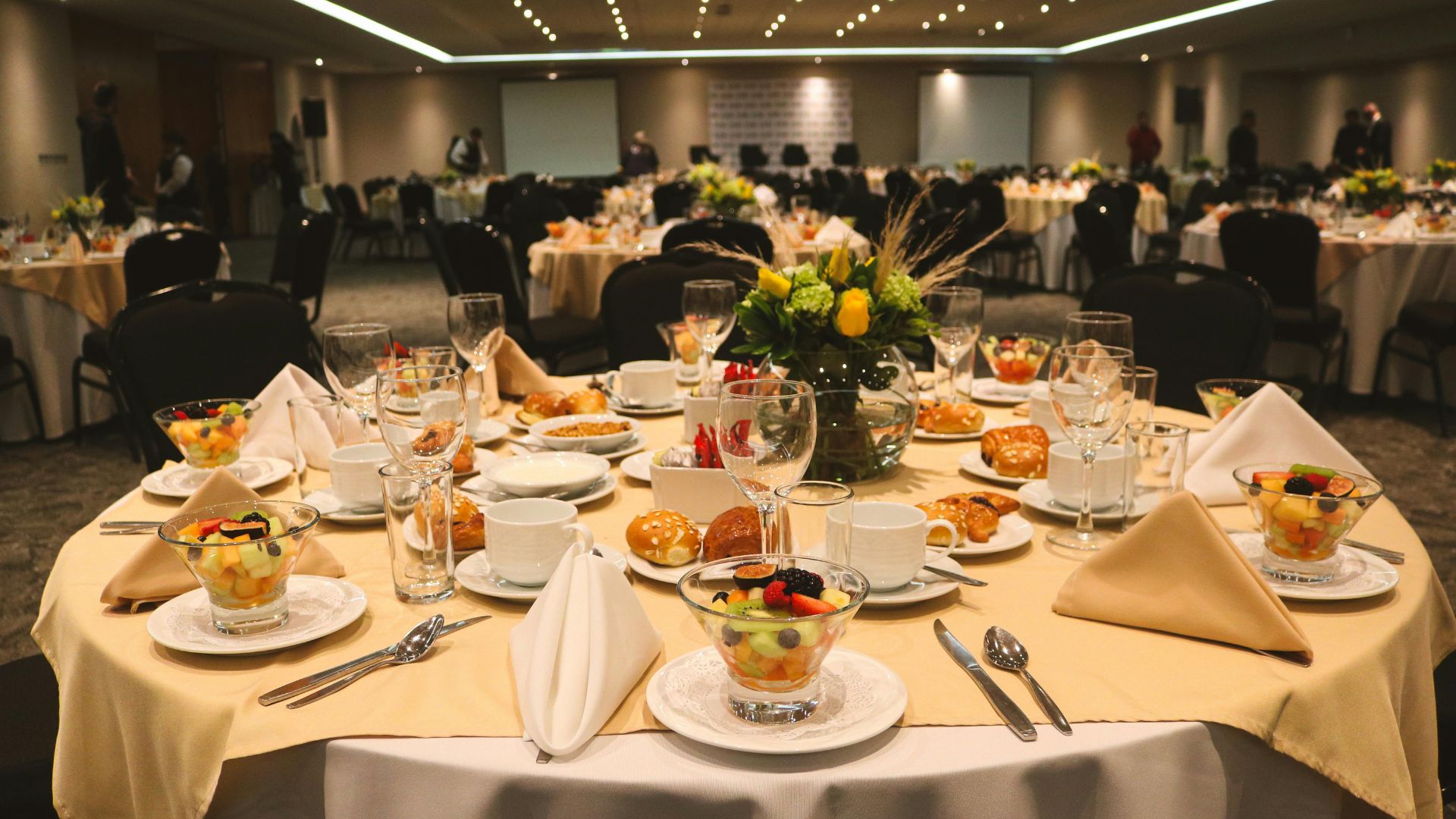
How to Plan a Healthy Office Lunch for Your Team
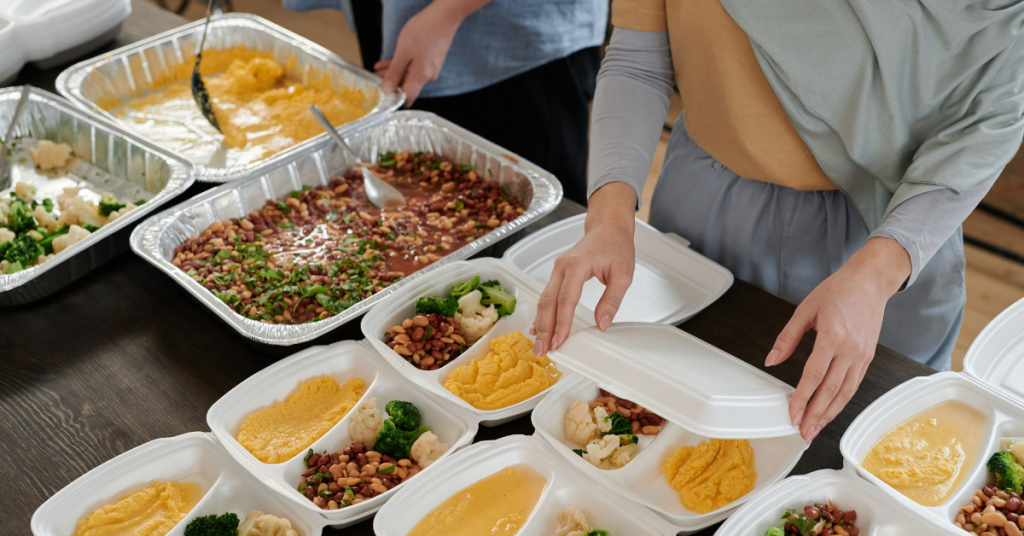
Planning lunch for a team sounds simple until you’re the one doing it. Someone has to figure out how many people are actually eating, who has a dietary restriction, what menu will hold up for a two-hour training session, and how to avoid ordering the same sandwich platter for the third week in a row.
A healthy office lunch isn’t about a specific diet or a trendy ingredient. It’s about a menu with enough balance and variety that most of your team finds something they’d actually want to eat, planned with enough detail that nothing gets missed. Here’s how to think through it, whether you’re catering one meeting or setting up office lunch catering that runs every week.
Why Healthy Office Lunches Matter
Supporting Employee Wellbeing
A well-planned lunch gives employees a proper meal in the middle of the day instead of whatever they can grab in fifteen minutes. Offering balanced options, including protein, vegetables and grains alongside the usual comfort foods, gives people a real choice rather than one single option that may not work for everyone.
Creating a Better Workplace Dining Experience
Lunch is one of the few points in a workday where people actually sit down together. A menu that feels considered, with some variety and a few options to choose from, makes that break feel less like an afterthought and more like something worth looking forward to.
Making Team Lunches Convenient
Convenience matters just as much as the menu itself. Food that arrives on time, is easy to serve, and doesn’t require someone to run out and pick up orders from three different places takes a real task off an office manager’s plate.
What Makes a Healthy Office Lunch?
Include a Balance of Protein, Vegetables and Grains
A balanced office lunch generally includes a protein option, some vegetables, and a grain or starch, rather than a menu built around one type of food. This doesn’t need to be complicated: a sandwich or wrap with a side salad, or a hot lunch with a protein, a vegetable side and rice or grains, covers the basics without overthinking it.
Offer a Variety of Menu Options
Variety is what keeps a healthy lunch from feeling repetitive. Offering more than one main option, along with a side or two, gives employees with different tastes and appetites something that actually works for them, rather than a single dish everyone has to make do with.
Consider Different Dietary Preferences
Even a simple team lunch benefits from accounting for common dietary preferences upfront. Building in at least one vegetarian option, and confirming whether anyone needs vegan, gluten-free or halal choices, is easier to plan for at the start than to fix once the food has already arrived.
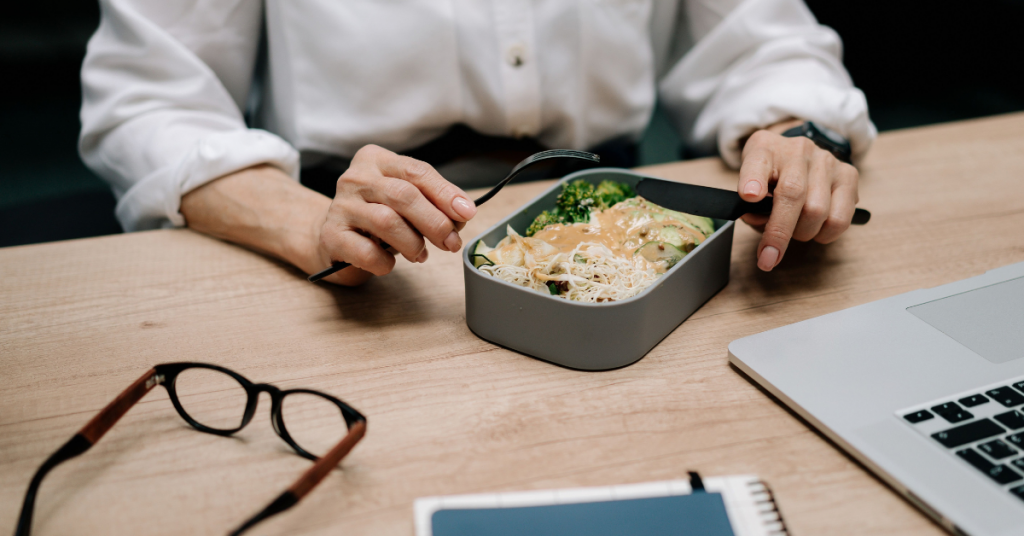
How to Plan an Office Lunch for Your Team
Start With Your Team Size
A balanced office lunch generally includes a protein option, some vegetables, and a grain or starch, rather than a menu built around one type of food. This doesn’t need to be complicated: a sandwich or wrap with a side salad, or a hot lunch with a protein, a vegetable side and rice or grains, covers the basics without overthinking it.
Understand Dietary Requirements
Ask employees about dietary requirements before you finalize a menu, not after. A short survey or a quick message to the team is usually enough to flag vegetarian, vegan, gluten-free, halal or other requirements so the caterer can plan around them.
Choose a Practical Menu
The right menu depends on the occasion. A sandwich or wrap lunch works well for a casual team meeting or a quick working lunch, while a hot lunch with a protein, vegetables and a starch tends to suit a longer meeting or a more substantial midday meal. Avondale’s own menu is built around this same split, with a sandwich lunch program and a separate hot lunch program, so the format decision usually comes down to how much time your team has to eat and how substantial the meal needs to be.
Plan Portions and Serving Requirements
Portion planning depends on your guest count, whether lunch is the main meal of the day, and how the food is being served. Avondale asks for guest count and menu format up front for exactly this reason, since that combination is generally what’s needed to recommend the right quantities rather than leaving it to guesswork. Avondale’s sandwich lunch program has a 15-guest minimum, so it’s worth confirming your expected headcount before deciding on a format.
Quick answer: what changes by team size
- Small team – a couple of menu options and a simple serving setup are usually enough, once dietary requirements are confirmed.
- Medium team – plan for more menu variety, clearer portion planning, and a serving setup that can handle a bigger group without slowing things down.
- Large team – confirm headcount early and plan around menu structure, portions, dietary requirements, and delivery or service logistics together.
Dietary Requirements to Consider When Planning an Office Lunch
Vegetarian and Vegan Options
Vegetarian and vegan requirements are among the most common dietary considerations for office lunches. Avondale includes vegetarian and vegan options across its sandwich and hot lunch menus, but confirming in advance how many employees need these options still helps ensure enough of each is planned for, rather than a single vegetarian dish stretched to cover everyone.
Gluten-Free and Other Dietary Requirements
Gluten-free requirements, along with other dietary needs, should be communicated clearly to your caterer before the menu is finalized. Avondale offers gluten-free and halal options alongside its standard menus, but not every dish can be adapted on short notice, so flagging this early gives the kitchen time to plan properly.
Allergy Considerations
If anyone on your team has a food allergy, let your caterer know directly and ask how they handle that information. This is worth confirming as part of your planning conversation rather than assuming it will be covered automatically.
How Often Should You Provide Office Lunch?
There’s no fixed schedule that works for every company — it usually comes down to occasional lunches, a weekly program, or ongoing recurring catering, depending on what works best for your team.
One-Time Team Lunches
A one-time lunch works well for a single meeting, a team celebration, or an occasional treat. Planning is simpler because you’re working with one date, one guest count and one menu decision.
Weekly Office Lunch Programs
A weekly office lunch program gives teams a consistent, recurring meal without having to plan from scratch each time. Avondale’s weekly menus rotate on their own schedule, and setting up a recurring program generally requires about a week’s notice, with no long-term contract required to get started.
Recurring Corporate Catering
Recurring corporate catering extends this idea further, covering regular team lunches, ongoing training programs, or standing meetings that happen on a set schedule. Avondale caters daily for corporate training programs, with group sizes ranging from around 12 people up to 200 or more, so this works whether you’re feeding one recurring class or several concurrent training sessions. The main planning considerations stay the same regardless of scale: consistency, enough notice, and a process for updating dietary requirements as your group changes.
How to Make Office Lunches More Enjoyable
Rotate the Menu
Rotating the menu is one of the simplest ways to keep a recurring lunch program from feeling stale. A rotating weekly menu means employees aren’t looking at the same two or three dishes every time lunch arrives.
Introduce Seasonal Options
Seasonal menu options can add some natural variety throughout the year without requiring a complete menu overhaul. A lunch program that shifts slightly with the seasons tends to feel more current than one that stays exactly the same in January and July.
Give Employees Variety
Beyond rotation, variety also comes from offering more than one main dish or format at a given lunch. A choice between a couple of options, even a simple one, gives employees more of a say in what they’re eating.
Should You Use Professional Office Catering?
Saving Time on Meal Planning
Professional catering can take the planning work off an office manager’s desk, particularly for recurring lunches. Instead of sourcing menus, coordinating orders and tracking dietary requirements every week, a caterer can manage that process on a set schedule.
Managing Different Dietary Requirements
An established caterer that regularly works with corporate groups is generally set up to handle a range of dietary requirements as part of their normal menu planning, rather than treating each request as a special exception. Avondale’s vegetarian, vegan, gluten-free and halal options are already built into its standard menus for this reason. That said, no caterer can automatically accommodate every dietary restriction without advance notice, so it’s still worth confirming specifics ahead of time.
Making Recurring Lunches Easier
For companies that provide lunch regularly, whether that’s a weekly team meal or ongoing catering for a training program, professional catering can simplify the process considerably: one point of contact, a menu that rotates on its own schedule, and consistent delivery instead of coordinating multiple orders each time. Avondale runs this without locking clients into a long-term contract, so a weekly program can scale up, pause or change format as your team’s needs shift.
Looking for fresh and convenient lunch options for your team? Explore Avondale Foodworks’ corporate catering menu.
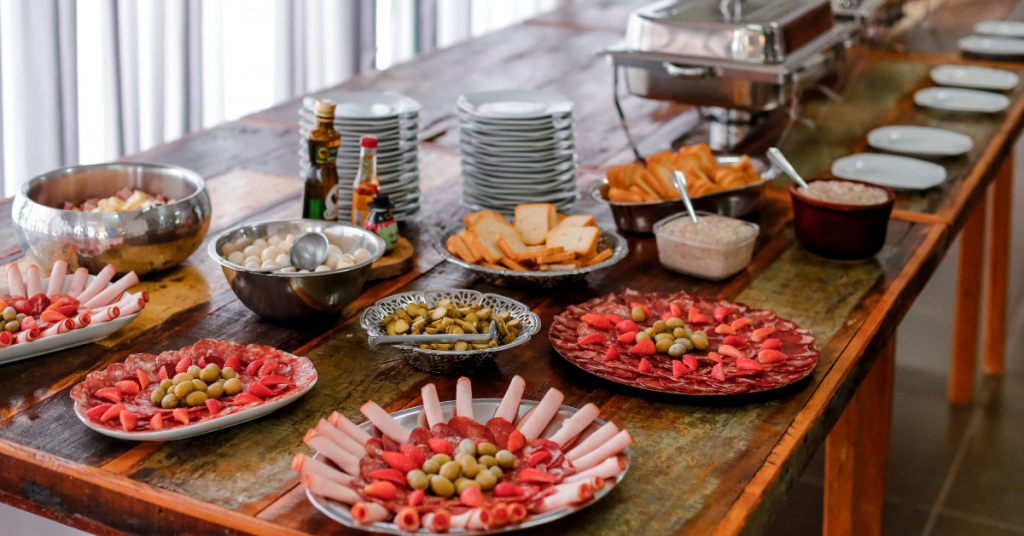
How Avondale Foodworks Can Help With Office Lunch Catering
Avondale Foodworks provides office lunch catering for businesses across Mississauga, Toronto, Brampton, Oakville, Etobicoke and the wider GTA. Pulling the numbers referenced throughout this article together: the sandwich lunch program starts at $25.95 per person with a 15-guest minimum, and the hot lunch program starts at $30.95 per person. Final pricing can vary depending on menu selection, guest count and service requirements, so it’s worth confirming current details with the team before booking.
Healthy Office Lunch Planning Checklist
- Confirm your team size and expected guest count
- Check dietary requirements, including vegetarian, vegan, gluten-free and halal needs
- Plan a balanced range of menu options, not just one dish
- Consider portion sizes and serving style for your group
- Build in variety, especially for recurring lunches
- Decide whether the lunch is one-time, weekly or recurring
- Confirm delivery and service requirements with your caterer
- Confirm current pricing and any minimum guest counts
- Give your caterer enough notice, especially for recurring programs
- Confirm your final guest count close to the event date
Takeaway
A healthy office lunch comes down to a few practical decisions: knowing your team size, asking about dietary requirements early, choosing a menu that fits the occasion, and building in enough variety that people don’t dread seeing the same tray again. None of that requires overthinking, but it does require planning ahead.
For a single team meeting, handling this internally is often manageable. For weekly lunches or ongoing catering for a training program, professional catering can take that planning off your plate and keep the menu, the schedule and the dietary details consistent from one week to the next.
Planning a team lunch or recurring office meal? Talk to our team about creating a menu that works for your workplace.
Frequently Asked Questions
A healthy office lunch should offer a balanced selection of foods and provide enough variety to suit different preferences and dietary requirements. Avondale’s sandwich and hot lunch menus are both built around this balance, pairing protein with vegetables and grains rather than a single-note dish.
Start by confirming your headcount, dietary requirements and preferred menu format, since that combination is what a caterer needs to recommend quantities. Avondale caters training groups and large teams from around 12 people up to 200 or more, so larger office lunches are handled as a normal part of planning rather than a special case.
Ask employees about dietary requirements in advance and communicate the information clearly to your caterer. Avondale’s menus already include vegetarian, vegan, gluten-free and halal options, so most common requirements can be planned for once you confirm how many people need them.
There is no single schedule that works for every company. Some businesses provide occasional lunches for meetings or team events, while others set up a weekly office lunch program; Avondale’s weekly menus rotate on their own schedule and don’t require a long-term contract to start.
A healthy office lunch can include a combination of proteins, vegetables, grains, salads, and other balanced menu options. Avondale’s sandwich or wrap lunch works well for a quick working lunch, while its hot lunch format suits a longer meeting or a more substantial midday meal.
The amount depends on the number of people, type of meal, menu, serving style, and whether the lunch is the main meal of the day. Avondale uses guest count and menu format to recommend quantities directly, and the sandwich lunch program has a 15-guest minimum worth factoring into your headcount.
Weekly catering can save office teams time spent planning, ordering, and coordinating meals. Avondale’s weekly program rotates the menu automatically and generally needs about a week’s notice to set up, with no long-term contract required.
Consider the caterer’s menu variety, ability to accommodate dietary requirements, experience with corporate groups, service area, pricing, flexibility, and ability to provide meals consistently for your team. Avondale serves Mississauga, Toronto, Brampton, Oakville, Etobicoke and the wider GTA, with sandwich and hot lunch formats and no long-term contract requirement.
Request a Catering Quote
Tell us your team size, location, and catering needs to get started with a customized quote.