Explore our
Menus
Scratch-made menus with prices per person, for offices, meetings, training days and events across the GTA.
View all menus and prices
Image for illustration only. Want to see what we actually serve? Get in touch with us.
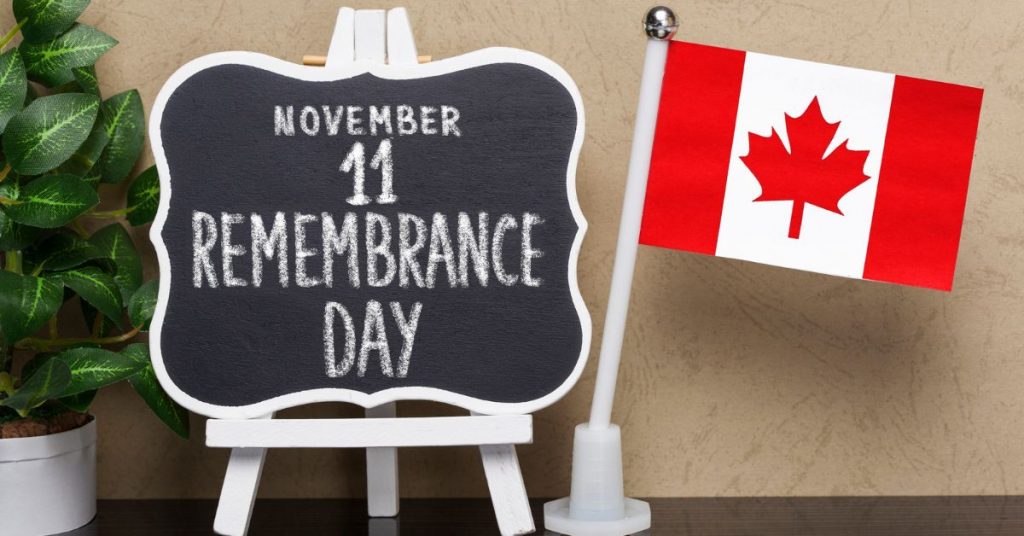
Remembrance Day is Canada’s national day to honour the people who served in uniform, those who died in service, and the families who carried the loss. In 2026 it falls on Wednesday, November 11. At 11 a.m., Canadians stop for two minutes of silence: in classrooms, at cenotaphs, and in offices across the Greater Toronto Area.
This guide covers why the day matters, where its traditions come from, and how a workplace can mark it with care.
Remembrance Day commemorates Canadians who have served in the military, in every conflict and mission. That includes the First and Second World Wars, the Korean War, peacekeeping and peace support operations, and Afghanistan. It honours those who came home as well as those who did not.
It is a day of reflection, not celebration. Its purpose is to remember what happened, listen to the people it happened to, and never treat peace as guaranteed.
The Armistice that ended the fighting of the First World War on the Western Front took effect at 11 a.m. on November 11, 1918. It was a ceasefire, not a peace treaty; the Treaty of Versailles followed in 1919.
Canada first marked the anniversary as Armistice Day. In 1931, Parliament made November 11 Remembrance Day, a date of its own, separate from Thanksgiving. The hour and the day have stayed the same ever since. Veterans Affairs Canada’s Remembrance Day and Veterans’ Week resources explain how the observance has grown.
Poppies grew across the disturbed ground of First World War battlefields in France and Belgium. Canadian physician and soldier Lieutenant-Colonel John McCrae wrote about them in his 1915 poem In Flanders Fields, and the flower became a symbol of the lives lost.
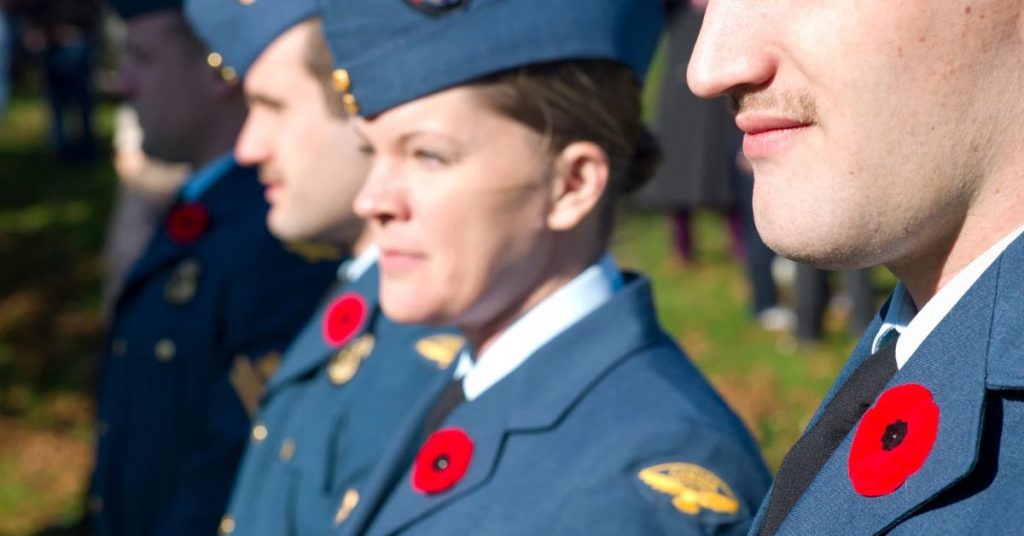
Canada adopted the poppy as its symbol of remembrance in 1921. Most people wear it on the left lapel, over the heart, from the last Friday of October until November 11. Donations made for poppies through the Royal Canadian Legion’s Poppy Campaign support veterans and their families. Veterans Affairs Canada’s guide to the remembrance poppy covers its history and respectful use.
At 11 a.m. on November 11, Canadians observe two minutes of silence, marking the hour the 1918 Armistice took effect. At formal ceremonies, the bugle call Last Post comes before the silence and Rouse follows it.
No ritual is needed to take part. Two undistracted minutes, wherever you are, are enough. Veterans Affairs Canada’s guide to commemorative services sets out the full order of a ceremony.
Canadian service has taken many forms: soldiers, sailors, aircrew, medical staff and many others. Some returned with injuries, seen and unseen, that shaped the rest of their lives. Others did not return.
First Nations, Inuit and Métis people served in every major conflict, often despite barriers to enlisting and unequal treatment after they came home. Their service deserves recognition in its own rights. Indigenous Veterans Day, on November 8, marks it, and Veterans Affairs Canada shares Indigenous veterans’ history and personal stories.
Image for illustration only. Want to see what we actually serve? Get in touch with us.
Legion branches, municipalities and schools across Ontario hold ceremonies at cenotaphs and war memorials, usually with wreath-laying, readings, the Last Post and the two minutes of silence. The national ceremony at the National War Memorial in Ottawa is broadcast live for those who cannot attend in person. Check your municipality’s or local Legion branch’s announcements for 2026 times and locations.
Remembrance Day is not a public holiday under Ontario’s Employment Standards Act. Most offices in the GTA are open, which makes how a workplace marks the day all the more important.
For most GTA offices, 11 a.m. falls in the middle of a working Wednesday. A few small decisions, made the day before, turn an awkward pause into a meaningful one:
The poppy and the silence are familiar, but the stories behind them need retelling each year. Learning those stories, and passing them on accurately, is how Canadians honour those who served and keep their commitment to peace.
Lest we forget.
A note from Avondale Foodworks: our kitchen in Mississauga has prepared meals for workplaces across the Greater Toronto Area since 1999. If your team gathers for coffee after the silence, our team is here to help.
Wednesday, November 11, 2026. The two minutes of silence begin at 11 a.m. local time.
The Armistice that ended fighting on the Western Front took effect at 11 a.m. on November 11, 1918. Canada marks the anniversary to honour those who served and those who died.
Poppies grew on First World War battlefields and appear in John McCrae’s 1915 poem In Flanders Fields. Canada adopted the poppy as its symbol of remembrance in 1921.
11 a.m. on November 11, the hour the 1918 Armistice took effect.
No. It is not a public holiday under Ontario’s Employment Standards Act, so most workplaces stay open. Some employers give time off under their own policies.
Many do. Keep 10:55 to 11:05 free of meetings, give a short signal at 11 a.m., and include remote staff by sharing the time in advance.
Share the plan the day before, offer poppies at reception, invite (never require) colleagues to share stories, and gather simply afterwards.
First Nations, Inuit and Métis people who served in Canada’s military, often despite barriers to enlisting and unequal treatment afterwards. Indigenous Veterans Day is November 8.